Loading DARC
Preparing the page for you.
Loading DARC
Preparing the page for you.
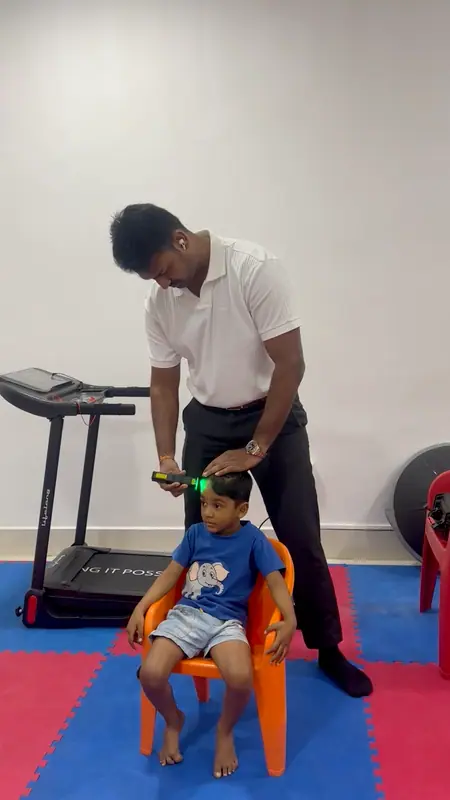
DARC considers photobiomodulation only where suitable, as one supportive part of a broader child-development plan—not as a cure for autism and not as a replacement for functional therapy.
Led by Dr. Aaditya
Photobiomodulation Support
Suitability-led support
The team begins by understanding the child's profile, current care and family priorities before any recommendation is made.
Ashok Nagar
Branch
Pallikaranai
Branch
Consultation
Suitability guidance
Screened
Before Recommendation
Calm
Child-comfort Led
Supervised
Every Session
Integrated
With Wider Care
Photobiomodulation is a supportive option, not a cure for autism. Suitability and individual response vary.
A device or technique should never replace a clear understanding of the child. DARC begins with the wider developmental picture and keeps functional therapies central to care.
The team reviews the child's developmental profile, current concerns, therapy history and parent priorities before discussing suitability.
Photobiomodulation is considered only when it may fit the child's wider plan, tolerance and practical goals.
Any supportive programme is aligned with occupational therapy, speech, special education and parent guidance where relevant.
Families receive clear explanations about limitations, individual variation and how practical changes will be reviewed.
Consultation-led start
Every discussion begins with a child-specific consultation and suitability screening.
No cure claims
DARC does not present photobiomodulation as a cure for autism or a replacement for functional therapy.
Transparent reviews
Parents remain informed about the purpose, boundaries, observations and next clinical direction.
Suitability is considered within DARC's paediatric therapy direction and coordinated with the wider team when functional support is needed.
Clinical direction
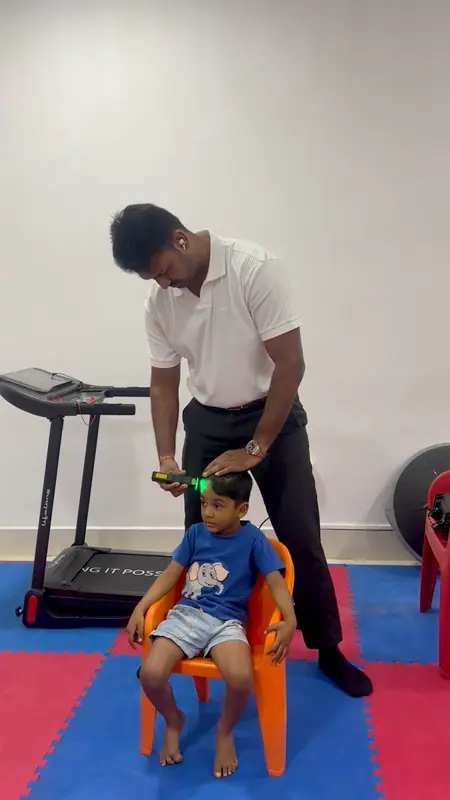
Founder, DARC. Clinical lead for Photobiomodulation Support across all DARC branches.
"Families deserve a clear explanation of suitability, limitations and alternatives before deciding whether a supportive option belongs in their child's wider plan."Dr. Aaditya Malathy
DARC's approach is built on clarity before intervention. The team considers the child's developmental profile, existing care, comfort and practical goals, then explains whether support may be appropriate.
🔍 Our approach
Each stage is designed to keep suitability, comfort, transparency and the wider developmental plan in view.
Focus
Understanding whether this supportive option fits the child's profile and wider plan.
Our Approach
Reviewing developmental history, present concerns, comfort, existing care and family priorities.
Progress Review: Reviewed
Focus
Keeping the setting calm, supervised and sensitive to the child's comfort.
Our Approach
The child remains observed throughout, with parents informed about what is happening and why.
Progress Review: Reviewed
Focus
Keeping functional therapies central to the child's developmental plan.
Our Approach
Support is considered alongside occupational therapy, speech, learning and parent guidance where needed.
Progress Review: Reviewed
Focus
Looking for meaningful change without guaranteeing individual outcomes.
Our Approach
Reviewing parent observations and participation within the child's real routines and wider therapy plan.
Progress Review: Reviewed
👨👩👧 For Families
● What families receive
These are features of DARC's process, not promised clinical outcomes. Every child's response is different.
🗓️ Your journey
A structured, transparent journey from consultation to measurable progress.
Step 1
The team reviews the child's developmental profile, existing care, present concerns and family priorities.
Step 2
If suitable, sessions are planned around the child's comfort and explained clearly to the parent.
Step 3
Observations are considered alongside functional therapy goals, daily routines and parent feedback.
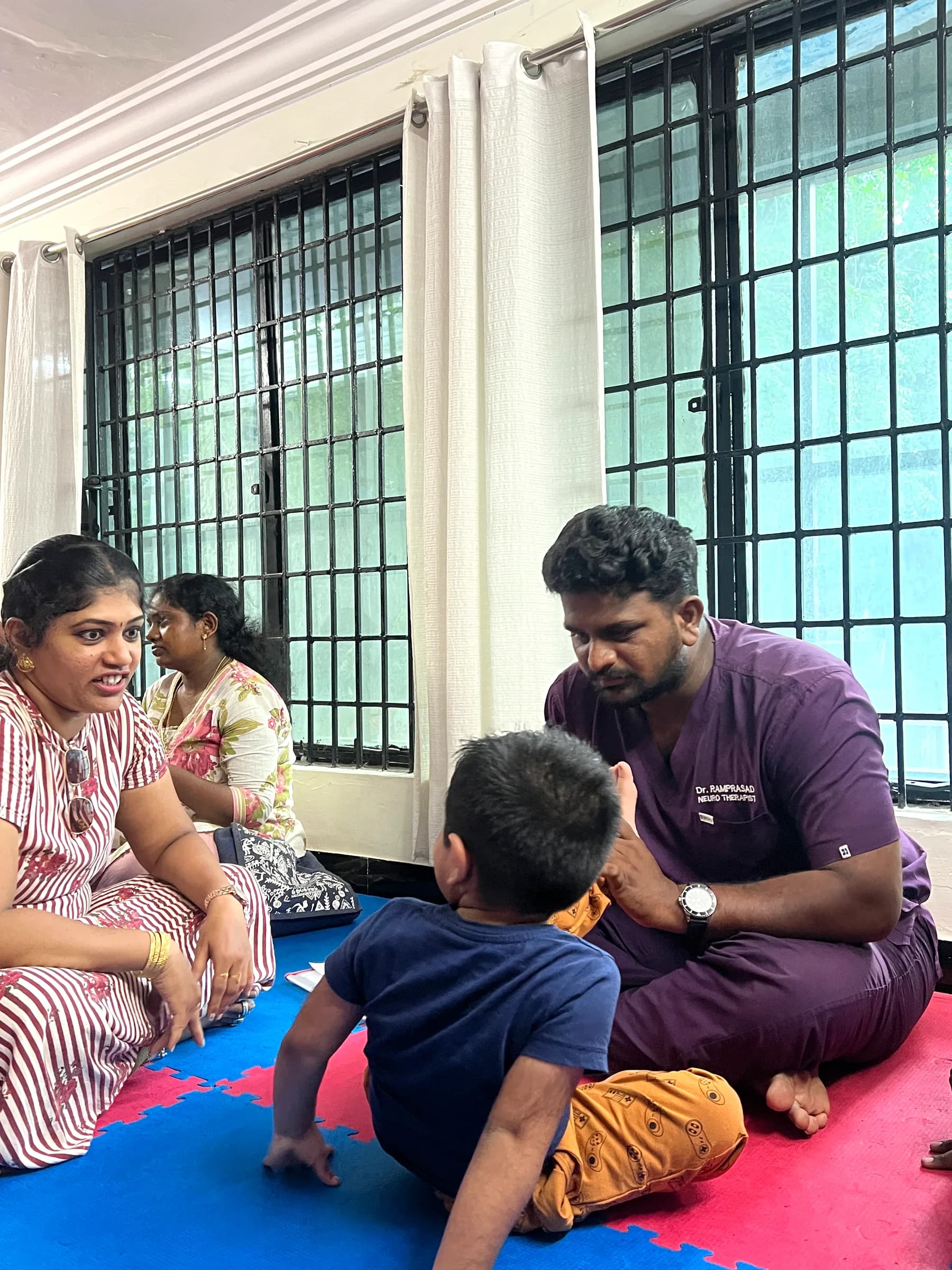
Parents receive a clear explanation of the purpose, limitations and wider plan. The team also explains what to observe, when to ask questions and why functional therapies remain important.
Your therapists
Photobiomodulation sits within DARC's wider paediatric direction, with qualified professionals keeping the child's functional needs central.
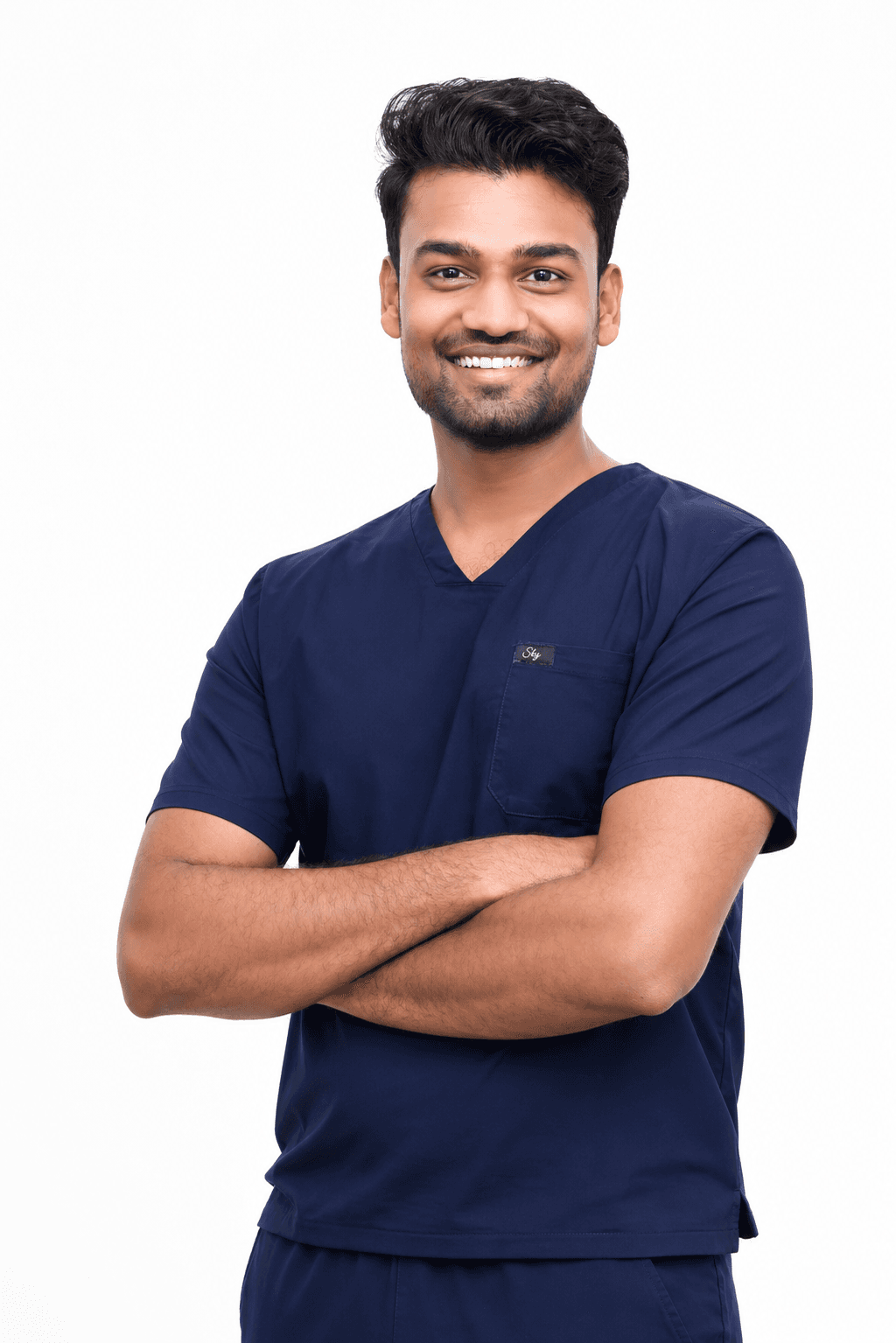
OT, MS (USA)
Occupational Therapist and Founder
Dr. Aaditya leads DARC's assessment-first, root-cause focused approach for children with autism, ADHD, developmental delay, sensory processing concerns and daily function challenges.
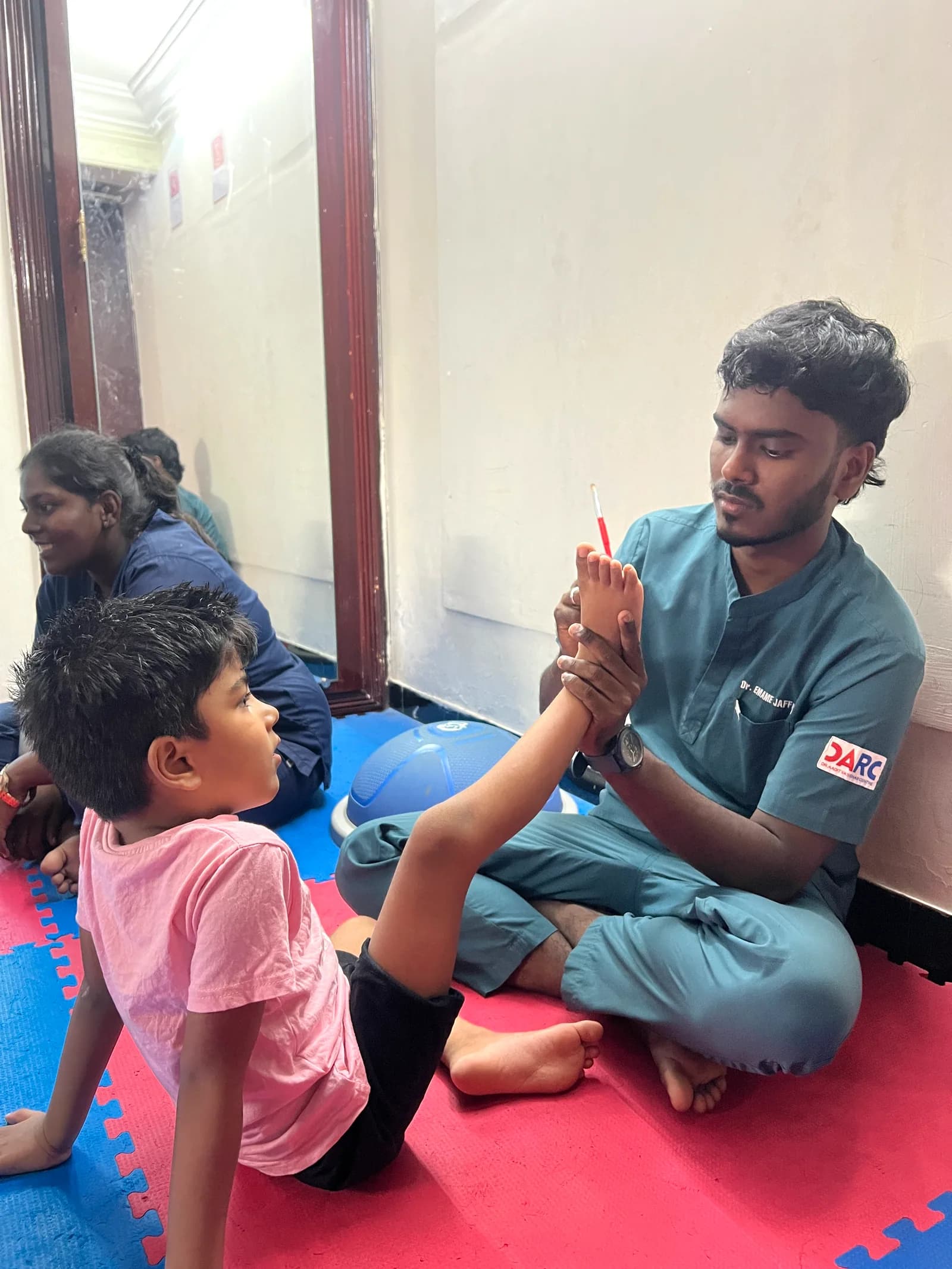
Paediatric occupational therapy and sensory-motor support
Paediatric OT Team
DARC's OT team supports sensory processing, fine motor skills, handwriting readiness, attention, self-care routines and daily independence for children.
How it works
Every new family begins with consultation and suitability screening. When wider developmental support is needed, the child's therapy team is confirmed according to the assessment rather than a generic assignment.
🎥 Patient Stories
Shared voluntarily by DARC families. Tap any video to watch.
A parent shares their child's therapy journey at DARC
A family shares what changed for them
Trust, clarity, and visible progress
Real parent feedback from DARC Chennai
Parents talk about their experience
A parent story about care and guidance
Clinic support shared by a DARC family
A therapy journey shared by a parent
Individual outcomes vary. Stories shared voluntarily by DARC families — no compensation given.
Connected care
Children may benefit from a connected plan across occupational therapy, speech, behaviour support and parent coaching. The right combination depends on assessment; photobiomodulation does not replace these services.
Photobiomodulation, sometimes described as low-level laser or light therapy, uses specific wavelengths of light. Research into its use in neurodevelopment is still developing, so DARC discusses it with measured expectations.
At DARC it is considered only as a supportive option within a broader child-development plan. It is not presented as a cure for autism, and it does not replace occupational therapy, speech therapy, special education or medical care when those are needed.
Clinical direction is guided by Dr. Aaditya Malathy (OT, MS USA). Before any programme is proposed, the team considers developmental history, current therapy, family priorities, comfort, relevant medical information and practical goals.
If support is considered suitable, sessions are supervised and reviewed within the child's wider plan. Individual responses vary. Parents should share medication, medical conditions, previous reports and specialist advice during consultation.
Parent evidence library
Use these clinician-reviewed guides to understand the evidence, wider developmental care and questions worth asking before consultation.
❓ Common Questions
No. DARC does not describe photobiomodulation or laser therapy as a cure for autism. It may be considered only as a supportive option within a broader child-specific developmental plan.
No. Functional interventions such as occupational therapy, speech therapy, special education and parent guidance remain central when a child needs them.
The team reviews the child's developmental profile, present concerns, therapy history, tolerance, family priorities and practical goals before any programme is proposed.
The child remains supported and observed in a calm setting. The process is explained to parents, comfort is monitored, and the pace is guided by the child's tolerance.
Review focuses on practical areas relevant to the child and on progress within the wider therapy plan. Individual responses vary and outcomes are not guaranteed.
Share relevant medical history, medication, previous reports, current therapies and specialist guidance so the team can consider the next step responsibly.
✦ Next step
Book an suitability consultation or start with the Child Development Check so DARC can guide the right therapy direction.