Loading DARC
Preparing the page for you.
Loading DARC
Preparing the page for you.
At DARC, autism therapy is multidisciplinary — OT, Speech, Sensory Integration, Behavioural Therapy, and Special Education planned together under one roof. Led by Dr. Aaditya Malathy, OT, MS (USA), every child begins with a structured assessment so therapy is built on what they actually need, not guesswork.
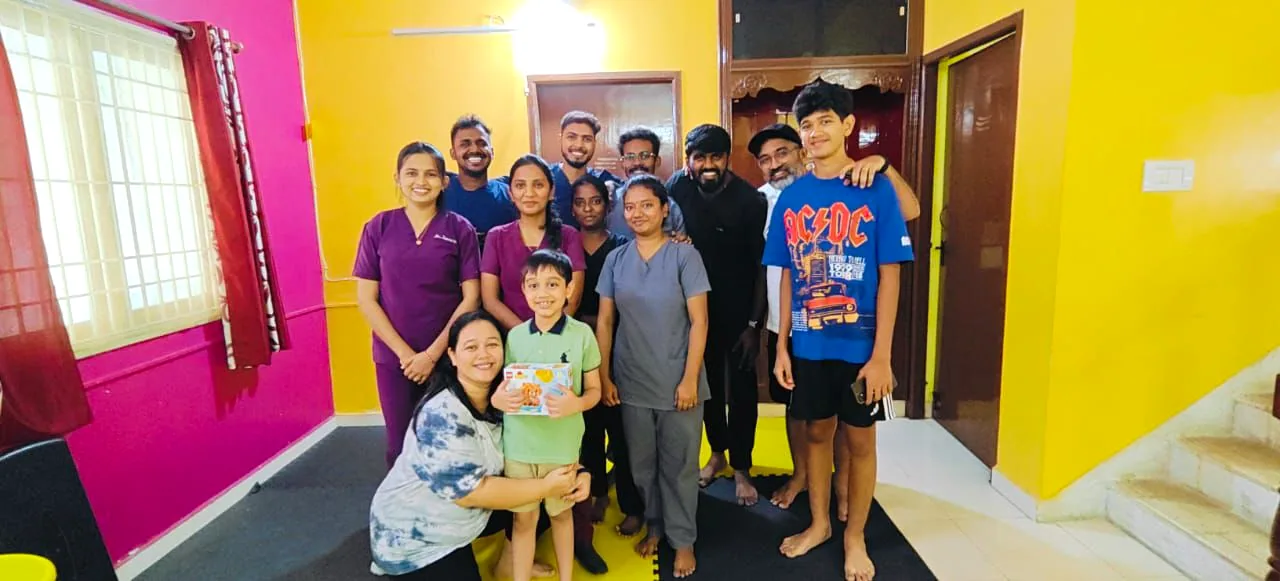
Multidisciplinary
Autism Therapy Centre
🧩 Assessment-First Autism Care
DARC's autism team connects OT, Speech, Sensory, Behavioural, and Special Education under a single coordinated plan — so your child gets consistent, goal-driven care.
Ashok Nagar
Branch
Pallikaranai
Branch
Online
Parent Guidance
Team
Coordinated Care
Parent
Guidance Included
Monthly
Progress Reviews
Team
Coordinated Care
Outcomes vary by child and depend on assessment findings, therapy consistency, home practice, and family involvement.
Every child with autism has a unique profile. DARC's approach begins by understanding each child's specific sensory, motor, communication, regulation, and learning needs before building a therapy plan — not by fitting them into a protocol.
OT, Speech, Sensory Integration, Behavioural Therapy, and Special Education are planned together — not as isolated sessions. One team, one direction for your child.
We begin by understanding the why — sensory processing, regulation, communication, motor, and daily function — before recommending any therapy combination.
Children with autism learn best when regulated. Building regulation capacity — through sensory and emotional support — is the foundation before any skill is taught.
Parents receive practical home strategies and structured monthly progress reviews — so therapy gains carry into daily routines, school, and family life.
Root cause, not just surface behaviour
DARC looks at sensory, motor, reflex, communication, regulation, and functional patterns — not just what is visible — before planning therapy direction.
All therapies coordinated together
OT, Speech, Sensory, Behavioural, and Special Education goals are connected under one plan — reducing confusion and improving outcomes.
Monthly progress clarity
Every month, families receive clear updates: what improved, what still needs support, and what the next therapy focus will be.
No child at DARC starts therapy without a proper consultation. Understanding the child's profile first ensures that therapy time is spent on what the child actually needs — not what is assumed.
🛠️ How we support autism
Each therapy is recommended based on the child's profile — not offered as a standard package. Most children benefit from a combination.
● Who We Help
● Outcomes
Progress depends on the child's profile, therapy frequency, home strategy implementation, and family involvement.
🗓️ Your journey
A structured, transparent journey from first consultation to measurable progress.
Week 1–2
Dr. Aaditya listens to your concerns, reviews your child's history, daily routines, and goals — building a full picture before recommending any therapy.
Weeks 3–6
Regulation, attention, body awareness, and sensory tolerance are built first — creating the foundation from which communication and skill development can grow.
Weeks 7–14
Communication, daily routines, self-care, social, behavioural, and learning goals are worked on across OT, Speech, and other relevant therapies.
Month 3+
Families receive clear monthly updates on what improved, what still needs support, and what the next therapy focus will be.
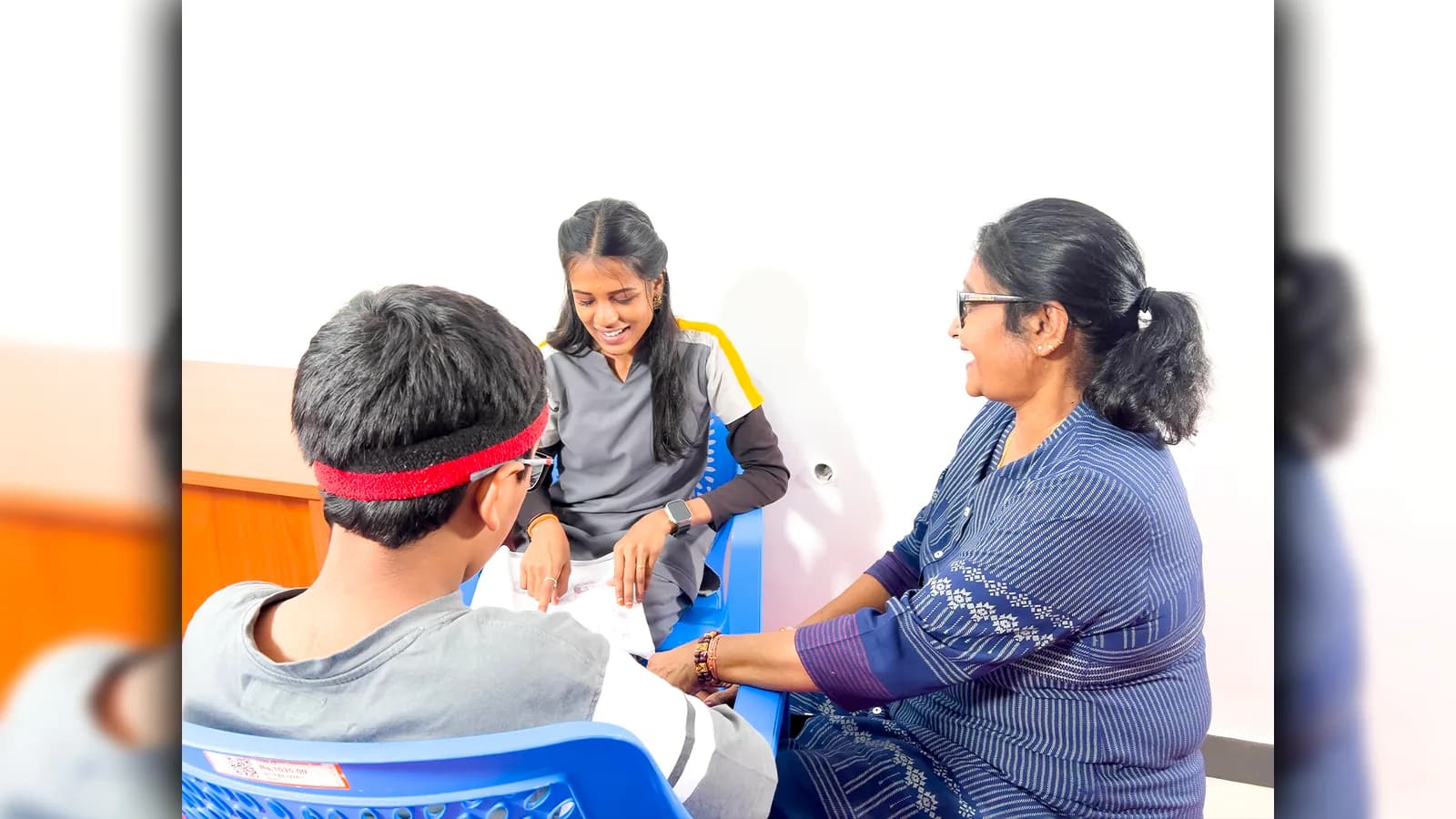
Every family receives practical home strategies, language, and routines so therapy gains carry into daily life — meal times, dressing, play, school preparation, and bedtime routines. DARC equips parents to be confident partners in their child's progress.

Occupational Therapist and Founder
Dr. Aaditya leads DARC's assessment-first, root-cause focused approach for children with autism, ADHD, developmental delay, sensory processing concerns and daily function challenges.
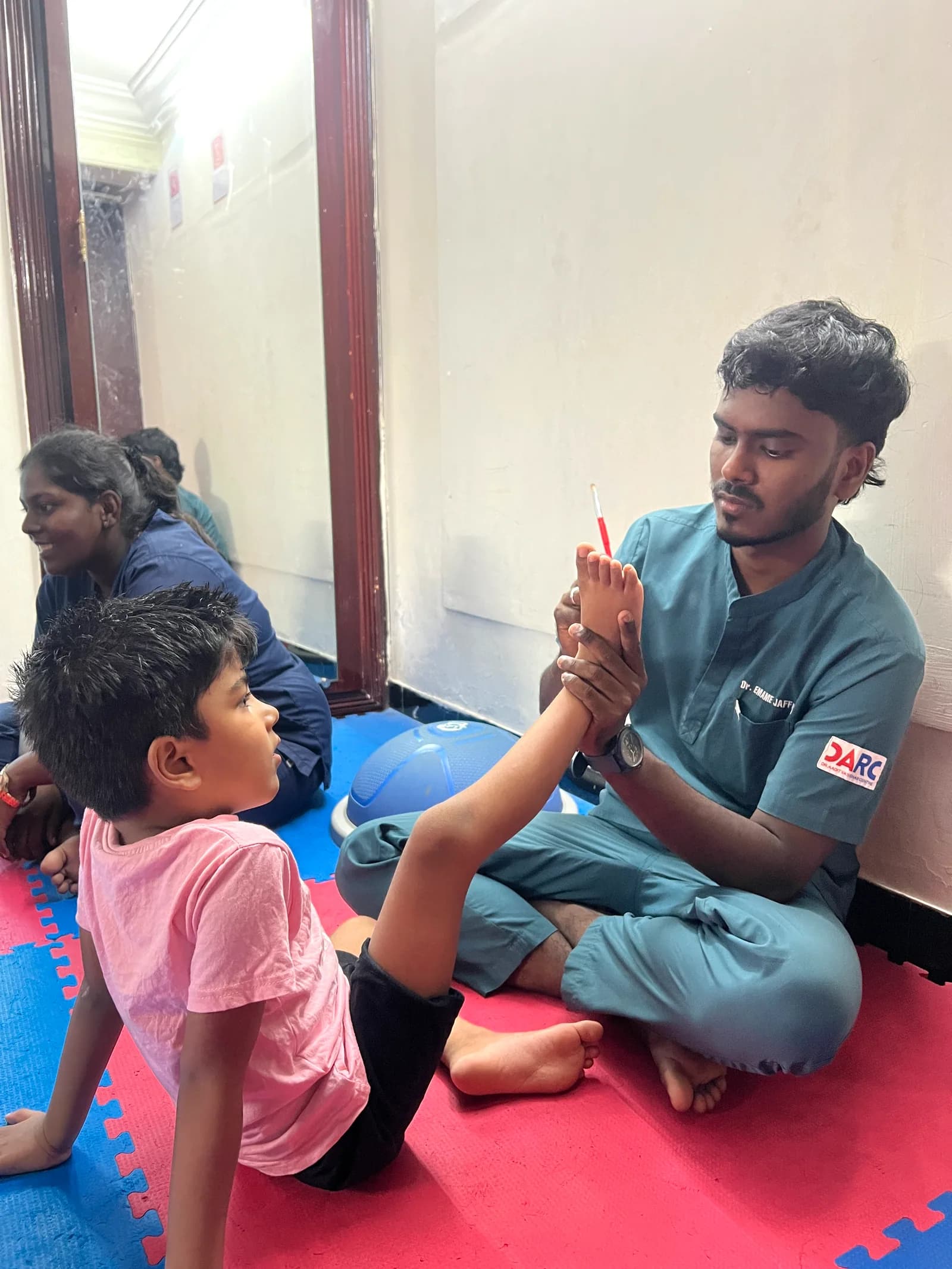
Paediatric OT Team
DARC's OT team supports sensory processing, fine motor skills, handwriting readiness, attention, self-care routines and daily independence for children.
How we work
Assessment First
Every child begins with a consultation — understanding their profile before any therapy is recommended or started.
Multidisciplinary Coordination
OT, Speech, Sensory, Behavioural, and Special Education goals are connected, not siloed.
Monthly Family Reviews
Parents receive clear updates every month on progress, changes, and what the team will focus on next.
🎥 Patient Stories
Shared voluntarily by DARC families. Tap any video to watch.
A parent shares their child's therapy journey at DARC
A family shares what changed for them
Trust, clarity, and visible progress
Real parent feedback from DARC Chennai
Parents talk about their experience
A parent story about care and guidance
Clinic support shared by a DARC family
A therapy journey shared by a parent
Individual outcomes vary. Stories shared voluntarily by DARC families — no compensation given.
🔗 Related Services
Autism therapy works best when the right therapies are connected. Most children benefit from more than one.
Autism therapy is not a single treatment — it is a coordinated set of evidence-based interventions that support a child with autism spectrum condition (ASC) to develop the skills they need for communication, regulation, daily function, learning, and social participation. The most effective autism therapy programmes combine multiple disciplines: occupational therapy, speech therapy, sensory integration, behavioural support, and special education — each targeting different aspects of the child's profile.
At DARC, autism therapy begins with a structured consultation led by Dr. Aaditya Malathy, OT, MS (USA), at the Ashok Nagar or Pallikaranai branch. The consultation maps the child's sensory processing, motor development, communication level, regulation capacity, daily function, and family priorities before any therapy is recommended. This assessment-first approach ensures that therapy is built on what the child actually needs — not a one-size-fits-all protocol.
Children with autism present very differently from one another. Some are non-verbal and need AAC support alongside OT; others are verbal but have significant sensory processing or regulation challenges. Some children need early intervention before age 3; others come to DARC as school-age children with a late diagnosis. DARC's multidisciplinary structure means the right combination of therapies can be provided under one roof — with one coordinated plan and monthly progress reviews for parents.
DARC does not use traditional ABA or compliance-based methods. The approach is grounded in occupational therapy science, Positive Behaviour Support, and sensory-informed practice — prioritising the child's regulation, dignity, and long-term functional independence. Families receive practical home strategies, language, and routines so that therapy progress carries into daily life at home and school.
❓ Common Questions
Autism therapy is a range of structured, evidence-based interventions that support children with autism spectrum condition (ASC) to develop communication, regulation, motor function, social skills, daily routines, and learning. At DARC, autism therapy is always multidisciplinary — delivered through OT, Speech, Sensory Integration, Behavioural Therapy, and Special Education as needed, all coordinated under one plan.
It begins with a structured consultation led by Dr. Aaditya Malathy, OT, MS (USA), to understand the child's sensory, motor, communication, regulation, and daily function profile. Based on this, a tailored therapy combination is recommended — which may include OT, Speech, Sensory Integration, Behavioural Therapy, or Special Education. Sessions are 45 minutes, goal-based, and reviewed monthly with parents.
Early intervention is strongly recommended. Research consistently shows the best outcomes when therapy begins between ages 2 and 5, as the brain is most plastic during this period. However, DARC supports children of all ages — including school-age children and those with late diagnoses — because meaningful progress is possible at every stage.
Yes. DARC's speech therapy programme may include AAC (Augmentative and Alternative Communication) for children who are non-speaking or minimally speaking. The communication approach is selected after understanding the child's individual needs.
DARC uses Occupational Therapy (for sensory, motor, and daily function), Speech Therapy (for communication and AAC), Sensory Integration (for regulation and sensory processing), Positive Behaviour Support (for meltdowns and social skills), and Special Education (for learning and school readiness). The combination depends on the child's individual profile — assessed before any therapy begins.
DARC does not use traditional ABA. Our approach is grounded in Occupational Therapy, Positive Behaviour Support (PBS), and sensory-informed practice — prioritising the child's regulation, dignity, and functional progress over compliance-based methods. We believe children learn best when regulated, not drilled.
There is no single timeline for autism therapy. Progress depends on the child's profile, functional goals, therapy frequency and how strategies carry into home and school routines. Goals are reviewed regularly and the plan is adjusted when needed.
Yes. DARC is specifically structured to coordinate OT, Speech, Sensory, Behavioural, and Special Education together. The team communicates across disciplines so that goals are aligned and parents receive one consistent direction — not conflicting advice from separate providers.
Yes. Autism therapy is available at both DARC branches — Ashok Nagar and Pallikaranai. Some specialised assessments and services may be available at specific branches; this is confirmed during the consultation.
✦ Next step
Book an autism therapy consultation at DARC or start with the Child Development Check so the team can guide the right therapy direction.