Loading DARC
Preparing the page for you.
Loading DARC
Preparing the page for you.
DARC's Special Education programme supports children who need structured, individualised academic and developmental guidance — including pre-academic skills, early literacy, numeracy, attention and focus, school readiness, and cognitive foundations. Each child's goals are planned in an IEP-style format: specific, measurable, and reviewed monthly.
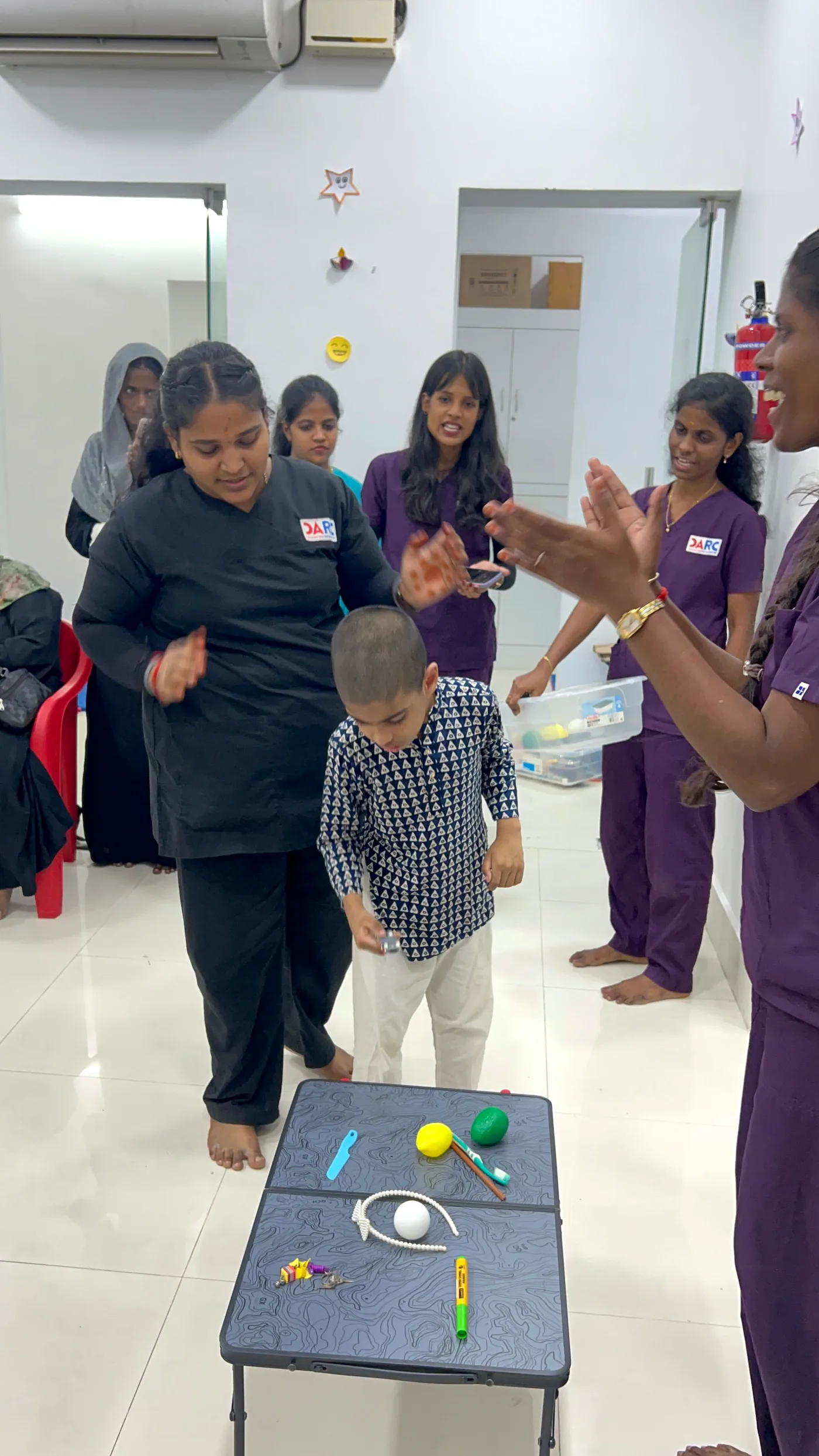
IEP-style goals
Special Education
🎓 Structured learning
Every child's learning plan starts with an assessment — then goals are built around what that specific child needs to succeed at home, at school, and in daily life.
Ashok Nagar
Branch
Pallikaranai
Branch
Online
Learning Support
IEP
Learning Goals
350+
Students Supported
12–20
Weeks Visible Progress
School
Readiness Support
Outcomes vary by child and depend on assessment findings, session consistency, home practice, and learning goals.
DARC's Special Education begins with understanding how each child learns — and then builds structured, measurable goals that are reviewed monthly with the family. Every session is tied to what the child needs to participate and succeed at school.
Each child's educational goals are specific, measurable, and reviewed monthly — so families and the team always know what's being worked on and why.
Reading, writing, and numeracy are taught using multisensory methods — visual, auditory, and hands-on approaches that match how each child learns.
Goals are aligned with what the child needs to participate and succeed at school — not just standalone academic drills.
Families receive home practice strategies that mirror what happens in sessions — so learning continues between appointments.
Assessment-led goals
A thorough learning assessment identifies the child's specific profile before any teaching approach is chosen.
IEP-style monthly reviews
Goals are reviewed monthly with parents — covering what improved, what still needs support, and what the next focus should be.
Transparent progress
Parents receive weekly notes, home practice guides, and monthly reviews — never a black box of what's happening in sessions.
DARC's Special Education doesn't stop at the clinic door. Home practice, school strategy guidance, and monthly progress reviews keep learning consistent across all environments.
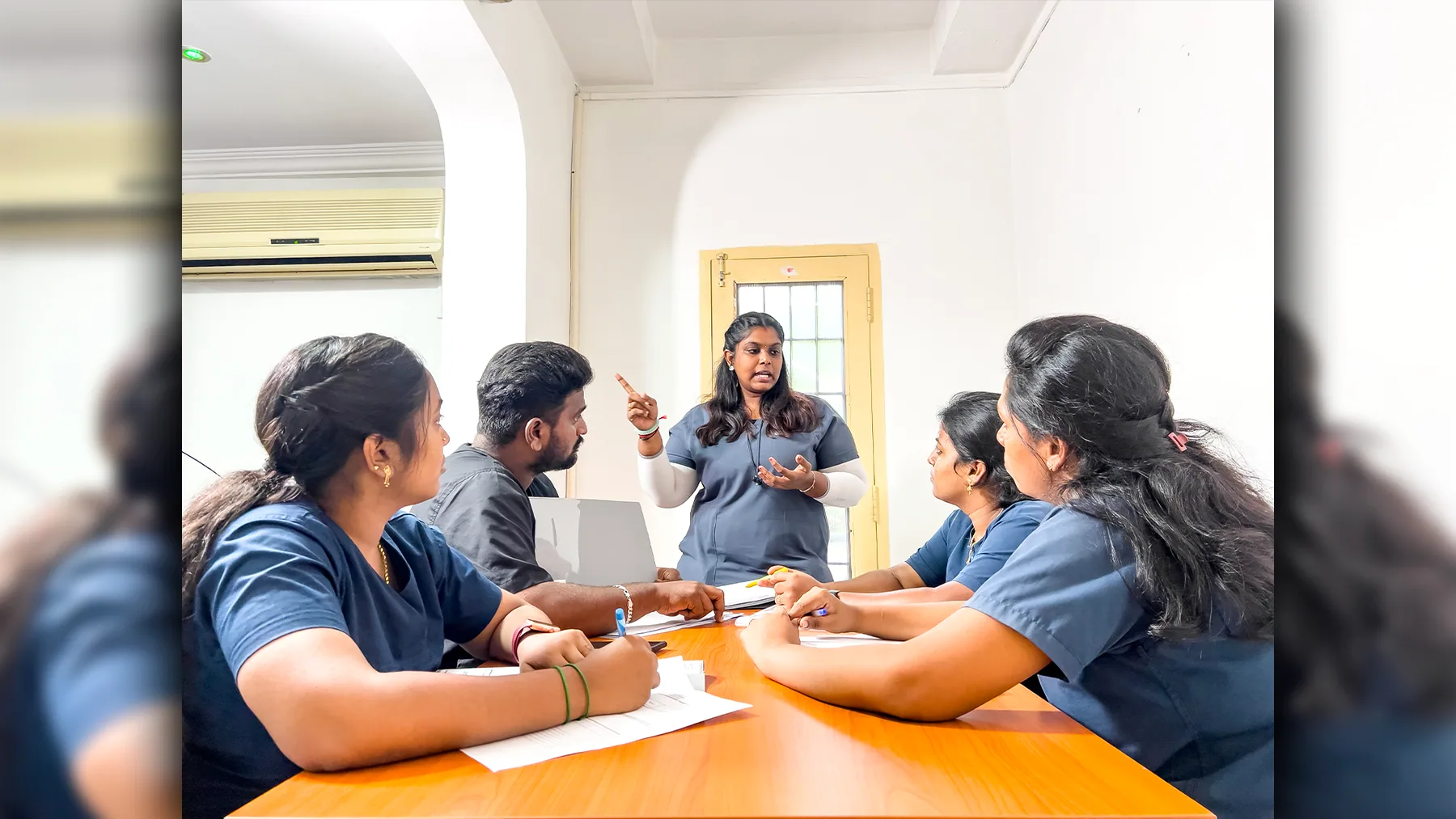
Special Education
Specialised, structured academic support — coordinated with OT and Speech where relevant.
"Special education at DARC is not about catching up with the class. It is about understanding how each child learns — and then building on that, one goal at a time, with the family as an active part of every step."DARC Special Education Team
DARC's Special Education approach begins with a thorough learning assessment — identifying the child's specific academic profile, attention patterns, and developmental foundations. Goals are then planned in an IEP-style format: specific, measurable, time-bound, and reviewed monthly with parents. Home practice and school alignment are built in from the start.
🔍 Our approach
Evidence-based, multisensory instruction targeting reading, math, organisation, and social skills with measurable progress.
Focus
Phonics, decoding, comprehension, spelling, and written expression.
Our Method
Explicit phonics instruction with visual supports, guided reading, and writing frames tailored to learning differences.
Progress Review: Reviewed
Focus
Number sense, operations, problem-solving, and math reasoning.
Our Method
Hands-on manipulatives, visual models, and stepwise teaching to build understanding and fluency.
Progress Review: Reviewed
Focus
Time management, task completion, planning, and executive function.
Our Method
Clear schedules, checklists, and step-by-step routines to build independence and reduce overwhelm.
Progress Review: Reviewed
Focus
Peer interaction, emotional regulation, and classroom participation.
Our Method
Role-play, visual scripts, emotion identification, and supported practice to build social confidence.
Progress Review: Reviewed
● For Learners
● Outcomes
Every child is different. Progress depends on the child's profile, session consistency, and home practice.
🗓️ Your journey
Clear phases with measurable goals, monthly reviews, and collaboration with home and school.
Week 1–2
Academic screening, learning profile, parent interview, school collaboration, and IEP-style goal setting.
Week 3–8
Structured lessons with multisensory methods, visual supports, and home activities to reinforce learning.
Week 9–16
More complex content, independent work with supports, and school-aligned projects and assessments.
Month 4+
Full classroom participation, goal maintenance, and monthly progress reviews with families.
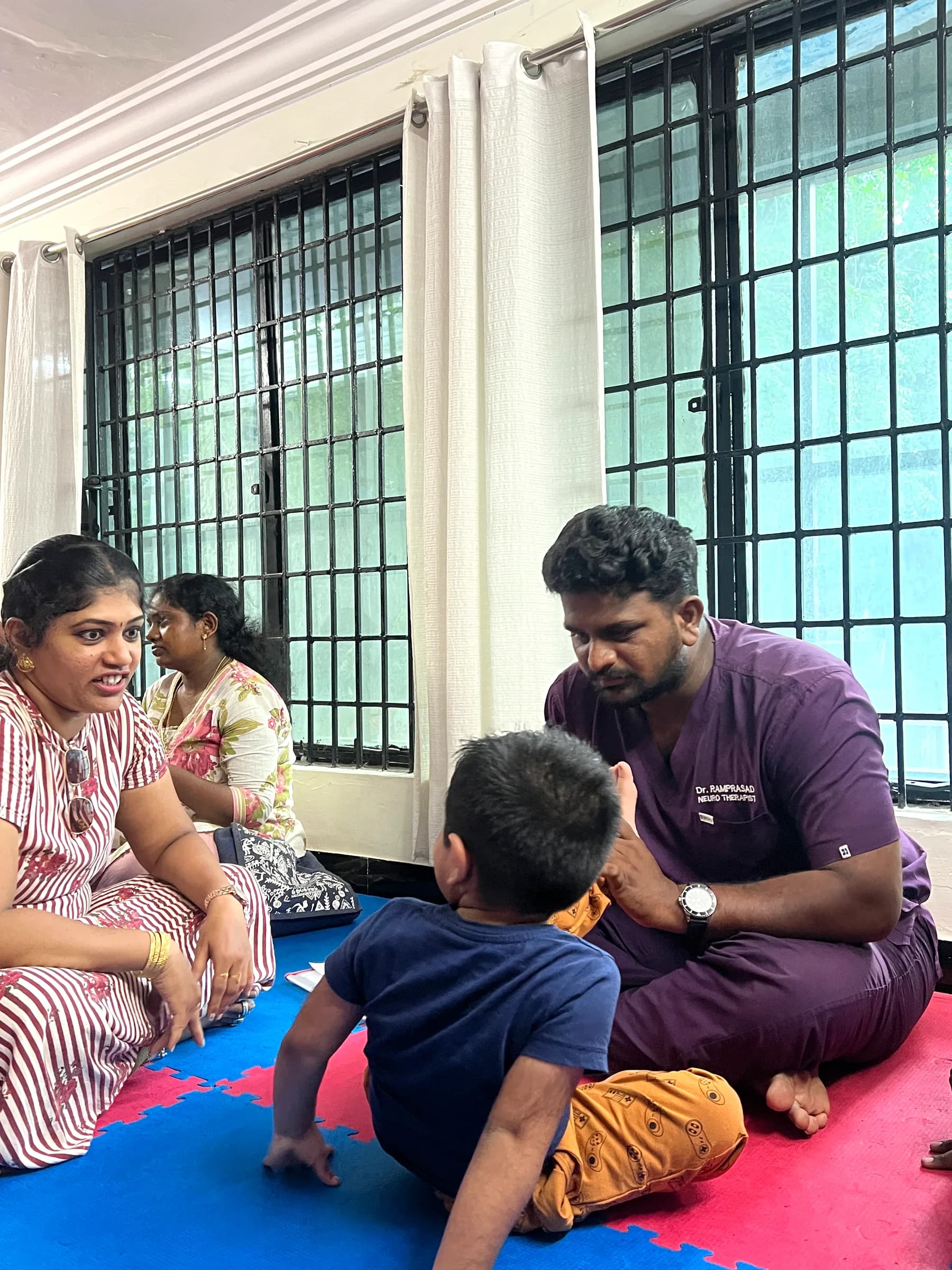
DARC keeps families and schools aligned with weekly updates, home practice guides, and simple strategies teachers can use in class. This keeps expectations and supports consistent everywhere.
❓ Common Questions
Special education uses evidence-based, structured approaches designed specifically for children with learning differences. We conduct a thorough learning assessment, build an individualised plan, and use multisensory teaching methods — going far beyond subject-matter tutoring.
Most families notice meaningful changes in confidence and skill within 6–8 weeks. Academic gains like improved reading fluency or math accuracy typically become visible within 12–16 weeks, depending on the child's profile.
Yes. We provide weekly progress notes, home practice guides, and teacher strategy guidance. We can align our goals with your child's school plan and support consistent communication between home and school.
Our learning assessments are designed to identify the full picture. We prioritise goals based on your child's most pressing needs and phase in additional areas as foundational skills develop.
We provide simple home practice activities that take 10–15 minutes per day. Parent involvement is highly encouraged as it accelerates progress, but activities are designed to fit your schedule and comfort level.
Special education supports learning and classroom skills, while occupational therapy addresses participation factors such as hand skills, self-care, sensory needs and access to school tasks. When a child needs both, DARC connects learning goals with relevant OT strategies and parent guidance. Each discipline has its own assessment and goals.
School readiness includes communication, play, managing transitions, participating in group activities and using daily routines, alongside early learning. DARC selects goals for the child's developmental profile and may coordinate special education, speech therapy and OT. Readiness is broader than completing worksheets or sitting still.
✦ Next step
Book a learning assessment or start with the Child Development Check so DARC can guide the right educational support for your child.