Low-Level Laser Therapy and Photobiomodulation for Autism and Speech Delay: Parent Guide
An evidence-conscious parent guide to low-level laser therapy and photobiomodulation for autism and speech delay, including current research, safety, limitations and questions to ask.
Updated 2026-07-17
For parents shortlisting care
Use this guide to compare assessment quality, therapist fit, progress reviews, branch access, and ethical claims. Start with a consultation before committing to a therapy direction for your child.
What are low-level laser therapy and photobiomodulation?
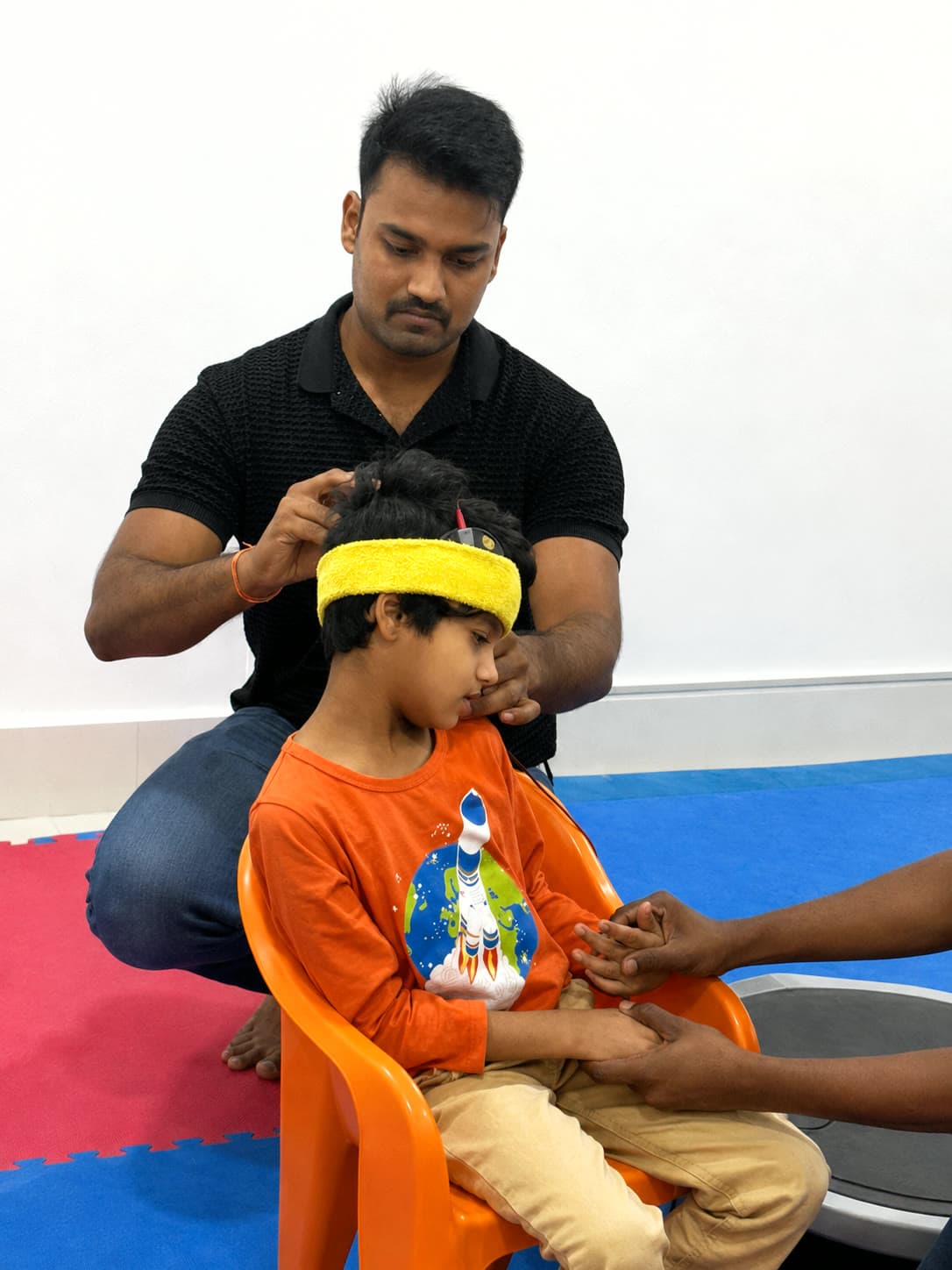
Photobiomodulation (PBM) uses specific wavelengths of red or near-infrared light delivered at low power. Low-level laser therapy is one way of delivering this light; some devices use light-emitting diodes instead. PBM does not use the heat or cutting action associated with surgical lasers.
The device, wavelength, power, pulse pattern, treatment location and duration all matter. Results from one protocol or device cannot automatically be applied to another.
Why is PBM being studied in autism?
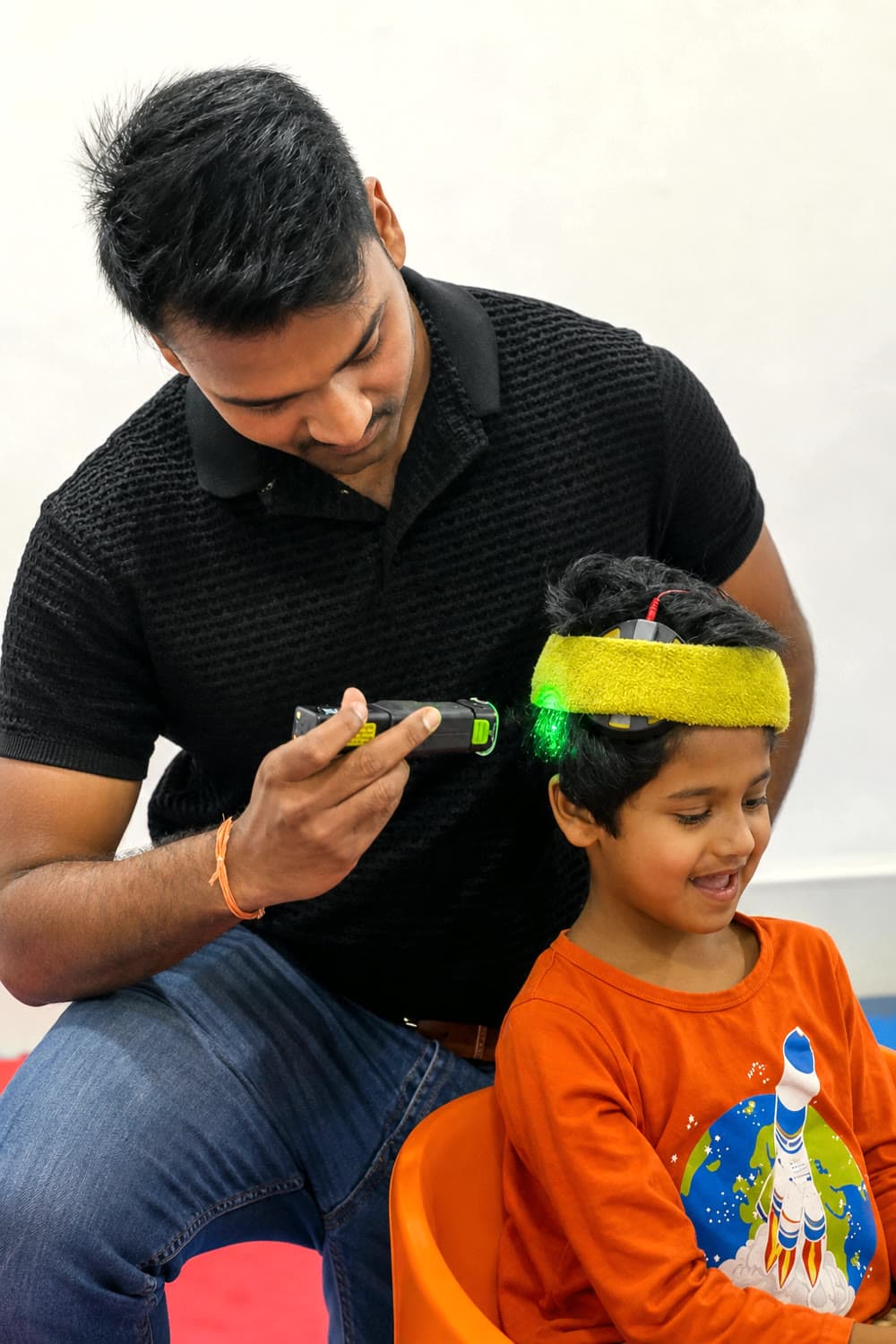
Researchers are exploring whether transcranial photobiomodulation may influence cellular energy processes and brain-network activity. Small early studies in autistic children have reported changes in selected behavioural measures, but these findings remain preliminary.
Autism is diverse, and a small average change in a study does not predict how an individual child will respond. Larger independent trials, longer follow-up and replication across different teams are still needed.
What does current autism research show?
A 2024 randomized sham-controlled study included 30 children aged two to six and reported a between-group change on an autism rating scale after an eight-week investigational protocol. The authors concluded that the results warranted larger studies. Earlier research has also been small and used different protocols.
These studies are signals for further research—not proof that PBM cures autism or produces a guaranteed functional outcome. Device-industry involvement and small samples should be considered when interpreting the evidence.
Can photobiomodulation treat speech delay?

There is not enough established clinical evidence to describe PBM as a direct treatment for childhood speech delay. Speech delay has many possible contributors, including language development, hearing, motor-speech planning, broader developmental differences and the child's communication environment.
A child with speech or language concerns should receive an appropriate speech-language and developmental assessment. PBM should never replace speech-language therapy, hearing evaluation, AAC access or other support recommended for the child's needs.
PBM is not a cure for autism

DARC does not present laser therapy or photobiomodulation as a cure for autism. Autism is a neurodevelopmental difference, and ethical care focuses on communication, participation, regulation, learning, daily living and family wellbeing rather than cure promises.
Any supportive intervention should have clearly defined goals and should sit within a broader plan that protects access to established developmental, communication and educational supports.
What should a safety screening include?

Before considering PBM, families should disclose the child's medical history, medications, neurological history, skin or eye sensitivity, implanted devices and any condition that may affect safety or tolerance. The clinician should explain the exact device, protocol, supervision and protective measures.
Parents should know who is accountable for screening, what possible discomfort or adverse effects are monitored, when a session would be stopped and how concerns can be reported after treatment.
How DARC considers photobiomodulation
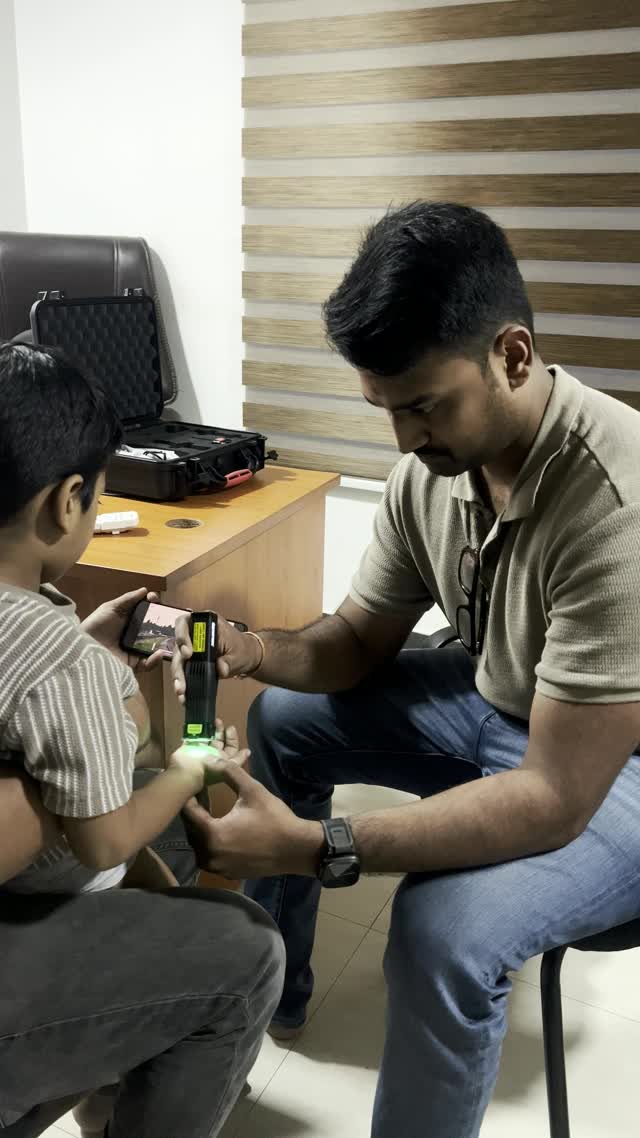
DARC begins with a consultation and child-specific review rather than recommending PBM from a diagnosis alone. If it is considered, the family receives an explanation of why, what will be monitored and how it fits with the child's existing support plan.
DARC continues to prioritise occupational therapy, speech-language support, special education, parent guidance and other functional interventions according to assessment. PBM is not used as a reason to delay or discontinue those services.
What outcomes should parents monitor?
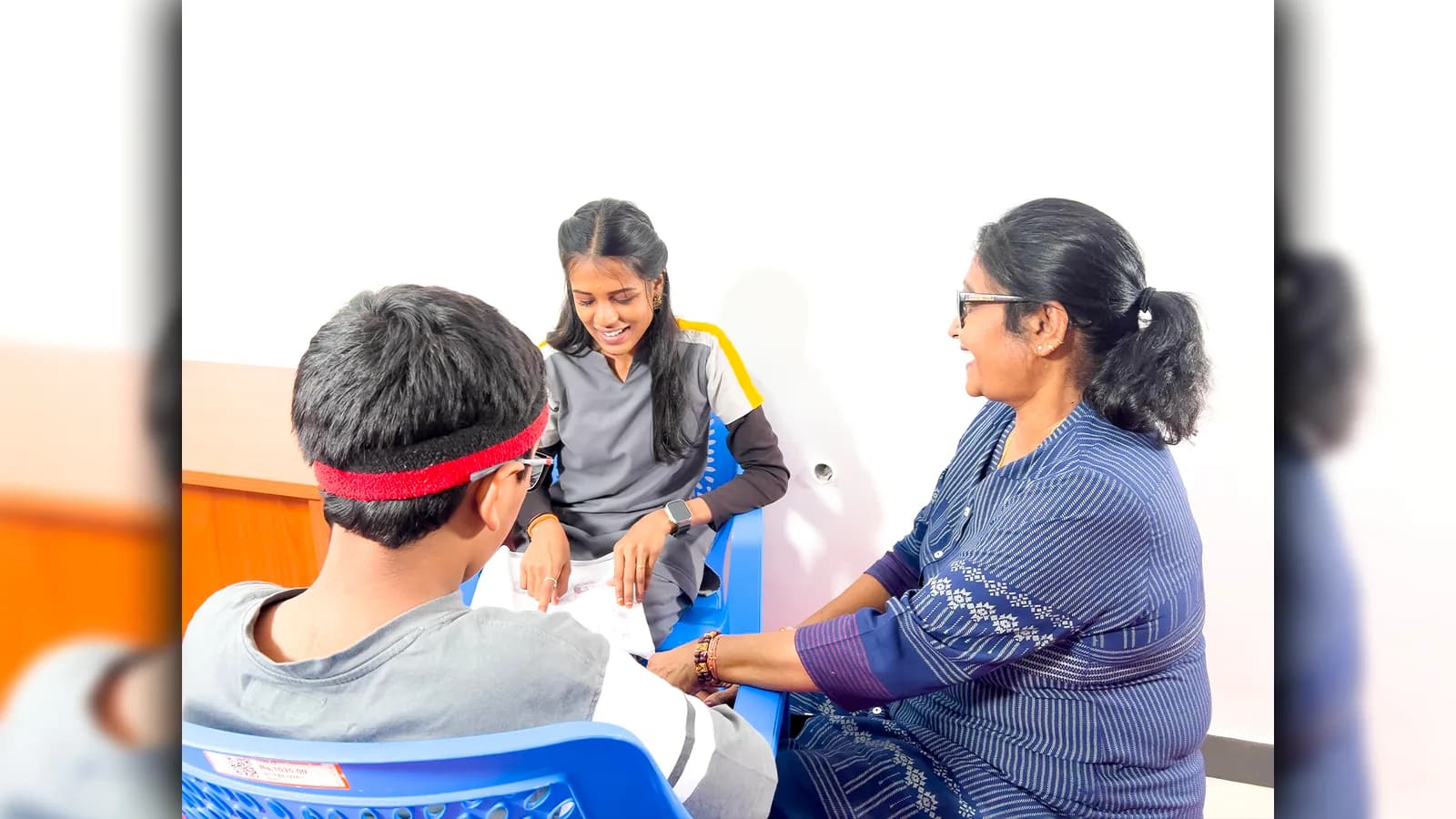
Goals should be observable and relevant to daily life, such as participation, sleep routines, regulation, communication attempts or tolerance of everyday activities. Families and clinicians should agree on the starting point and review period before sessions begin.
Normal developmental change, concurrent therapy and parent expectations can influence impressions. Written tracking helps families avoid attributing every improvement—or difficult day—to one intervention.
Questions to ask any PBM provider
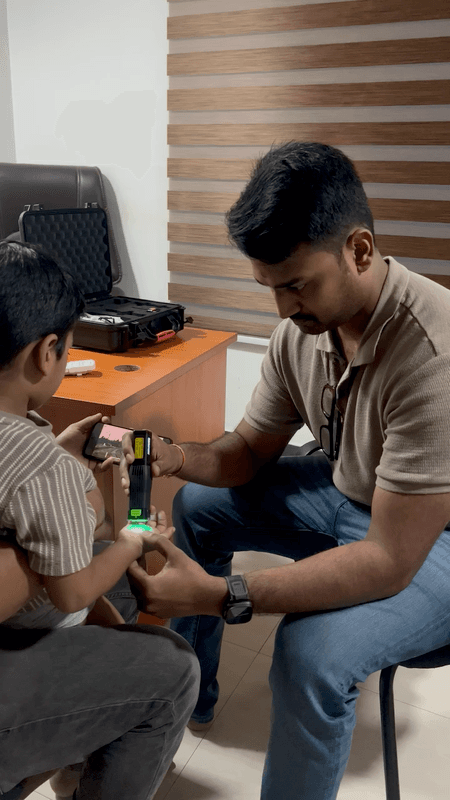
Ask what evidence supports the exact device and protocol, whether it is being used within its authorised purpose, who performs screening, what training the operator has and what adverse-event process is in place. Ask how goals will be measured and when treatment will stop if there is no meaningful benefit.
Also ask about the complete cost, number of proposed sessions, refund or cancellation terms and whether the provider will coordinate with the child's pediatrician and therapy team when appropriate.
Red flags parents should avoid
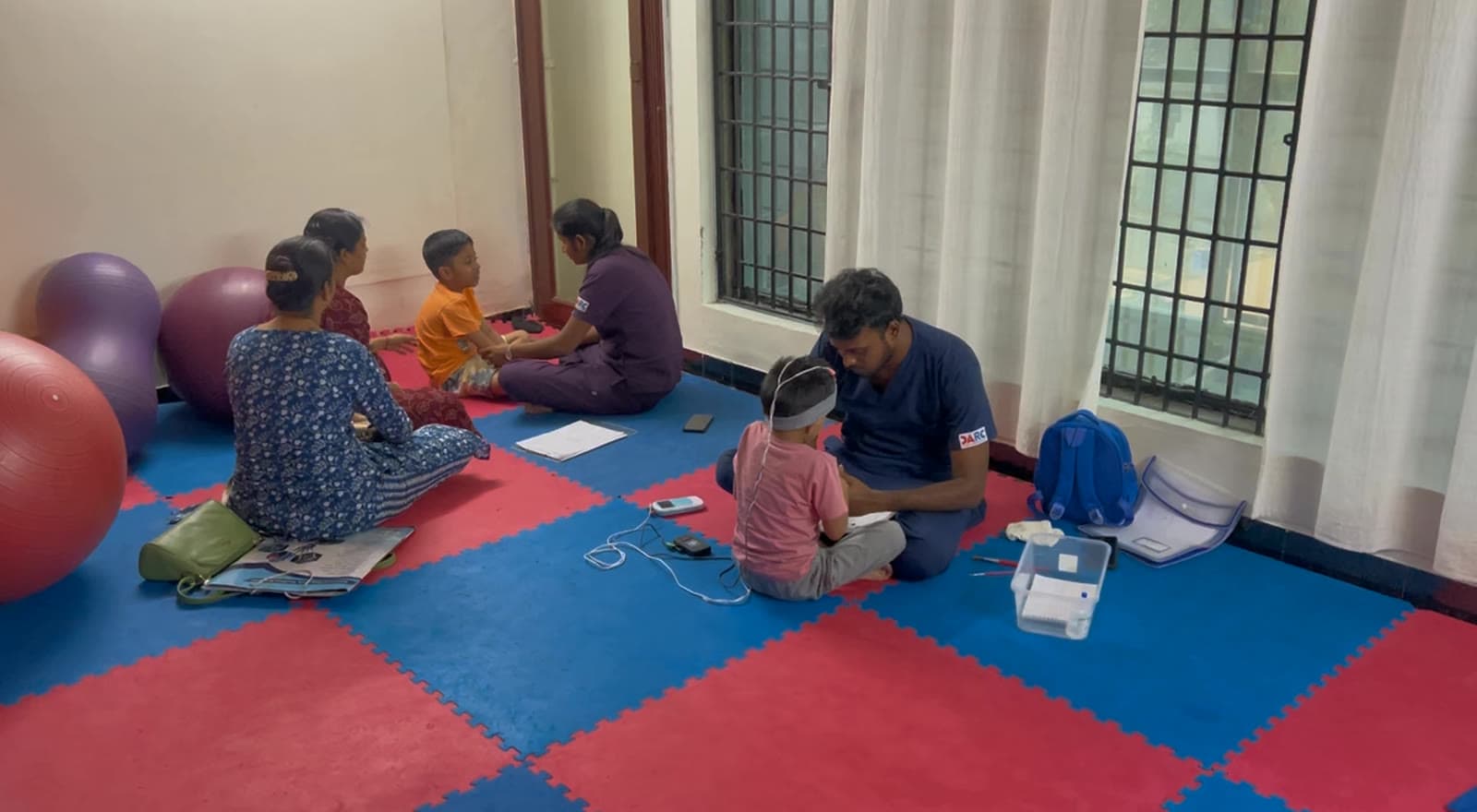
Avoid providers who guarantee speech, promise to reverse autism, discourage established therapy, use the same protocol for every child or refuse to explain the device and safety process. Testimonials cannot replace clinical evidence or individual assessment.
A responsible provider acknowledges uncertainty, discusses alternatives and supports the family's right to pause, decline or seek another clinical opinion.
The practical next step for families

If your main concern is speech delay, begin with a speech-language assessment and consider hearing and developmental review where recommended. If your child is autistic, identify the functional priorities that matter now—communication, daily routines, regulation, learning, participation or family support.
Families interested in PBM can bring their questions and existing reports to a DARC consultation. A discussion does not commit the child to treatment; its purpose is to determine suitability, explain uncertainty and protect continuity of evidence-based support.
Evidence and further reading