Skip to content
Cerebral palsy developmental support

Cerebral Palsy Therapy Support in Chennai

DARC provides assessment-led occupational therapy, communication support and coordinated developmental guidance for children with cerebral palsy in Chennai.

Written by Dr. Aaditya Malathy, OT, MS (USA) · Clinically reviewed by Vasudharany, Head SLP · Last updated

Therapy delivered by the DARC occupational therapy team.

Ashok NagarPallikaranaiChennai
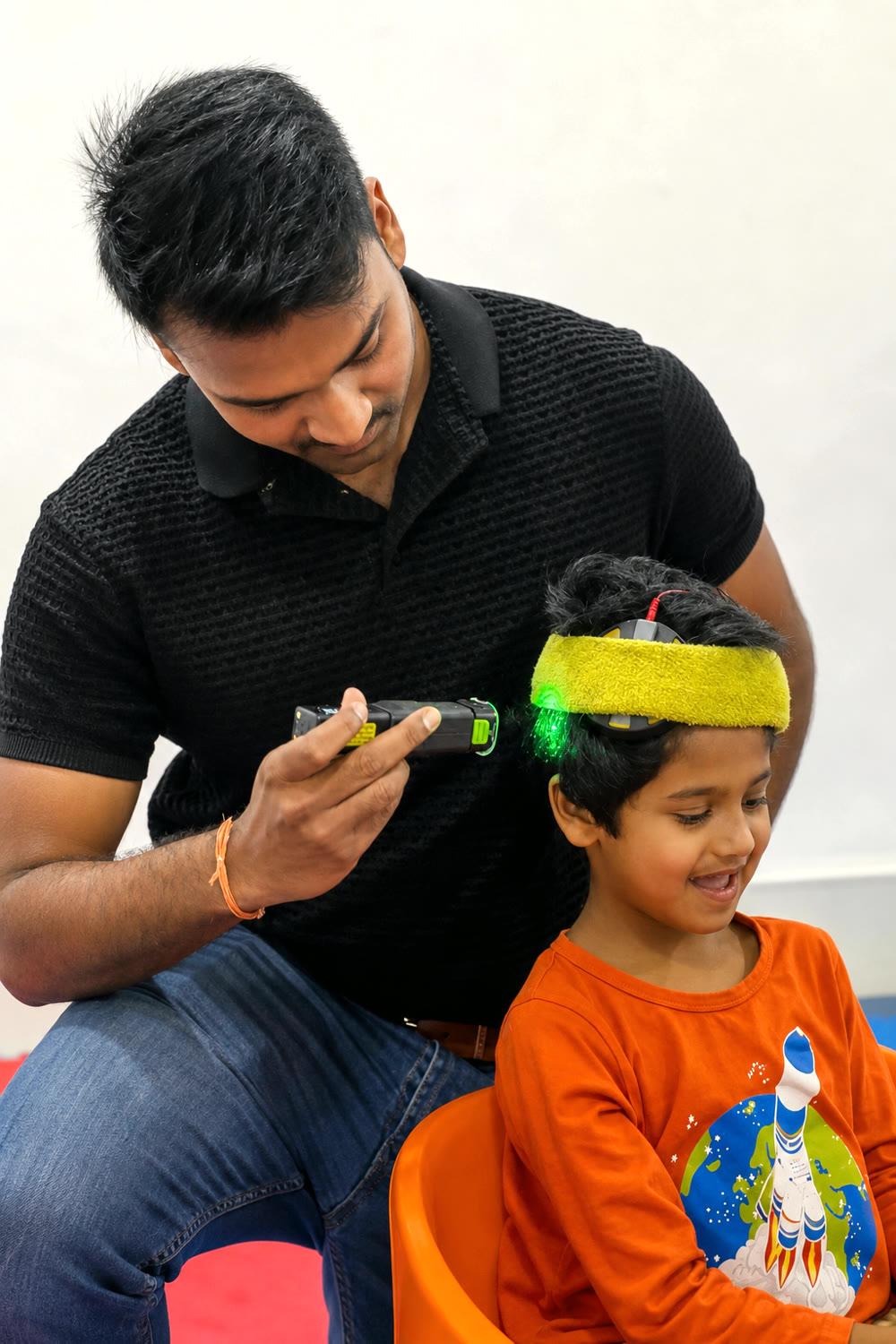
A parent and child in a consultation with a DARC clinician

Assessment-led care

Child-friendly support with clear goals and parent guidance.

Assessment

Plan starts with understanding

Parent

Guidance included

Progress

Goals reviewed clearly

2 Branches

Ashok Nagar · Pallikaranai

Individual recommendations and outcomes depend on assessment findings, participation, consistency and family priorities.

Plan your child’s developmental consultation

Ages and needs we support

Young children and school-age children with concerns about development, attention, movement or daily participation. Share your child’s age, strengths, existing diagnosis if any and the routines that need support.

Your care team and qualifications

Dr. Aaditya Malathy leads DARC’s consultation-first approach. The consultation helps identify which professional assessments are relevant, including occupational therapy, communication or learning support when needed.

What happens at the first appointment?

  1. Discuss your child’s development

    Share developmental history, existing diagnoses or assessments and the everyday tasks your child finds difficult.

  2. Identify the right starting point

    Discuss which professional assessments may help clarify your child’s needs and whether additional input is needed.

  3. Understand the proposed plan

    Review relevant goals, suggested support, home guidance, fees and the next progress review.

What to bring or prepare

Relevant medical and developmental reports, any current therapy plan and observations from home or school.

Choose your Chennai branch

Ashok Nagar

New No: 59, 7th Ave, Sarvamangala Colony, Manthope Colony, Ashok Nagar, Chennai, Tamil Nadu 600083

Centre hours: Mon–Fri 10:30 AM–8 PM · Sat 9 AM–5:30 PM · Sun closed

Pallikaranai

5/1077, Maxworth Nagar 2nd St, Maxworth Nagar, Pallikaranai, Chennai, Tamil Nadu 600129

Centre hours: Mon–Sat 12 PM–8 PM · Sun closed

Centre hours are not individual clinician availability. Confirm the relevant professional and assessment time before travelling.

Fees and appointment details

Confirm the initial assessment or consultation charge, appointment duration and what feedback or report is included before booking. Therapy fees and frequency are explained after assessment, before you commit to a plan.

Book a consultation

The consultation helps identify the right assessment and next steps for your child.

Is this for my child?

  • Hand use, play or self-care challenges
  • Posture, seating or access needs affecting activities
  • Speech or communication access concerns
  • School participation and everyday independence goals

How long does it take?

  • Goals and review periods are individual. Cerebral palsy support often changes as the child grows, starts school or develops new participation priorities.

Is it safe?

  • DARC considers comfort, fatigue, medical history and movement safety. Physiotherapy, orthopaedic, neurological, swallowing or equipment specialists may be recommended when needed.

How much will it cost?

  • Recommended services, frequency and fees are explained after assessment. DARC does not require a standard package for every child.

Quick parent answer

Looking for cerebral palsy therapy support in chennai?

Start with an assessment-led consultation. DARC looks at the concern, the child's daily participation, and any connected sensory, motor, communication, attention, behaviour, or learning needs before recommending therapy direction.

Hand use, play or self-care challenges

Posture, seating or access needs affecting activities

Speech or communication access concerns

School participation and everyday independence goals

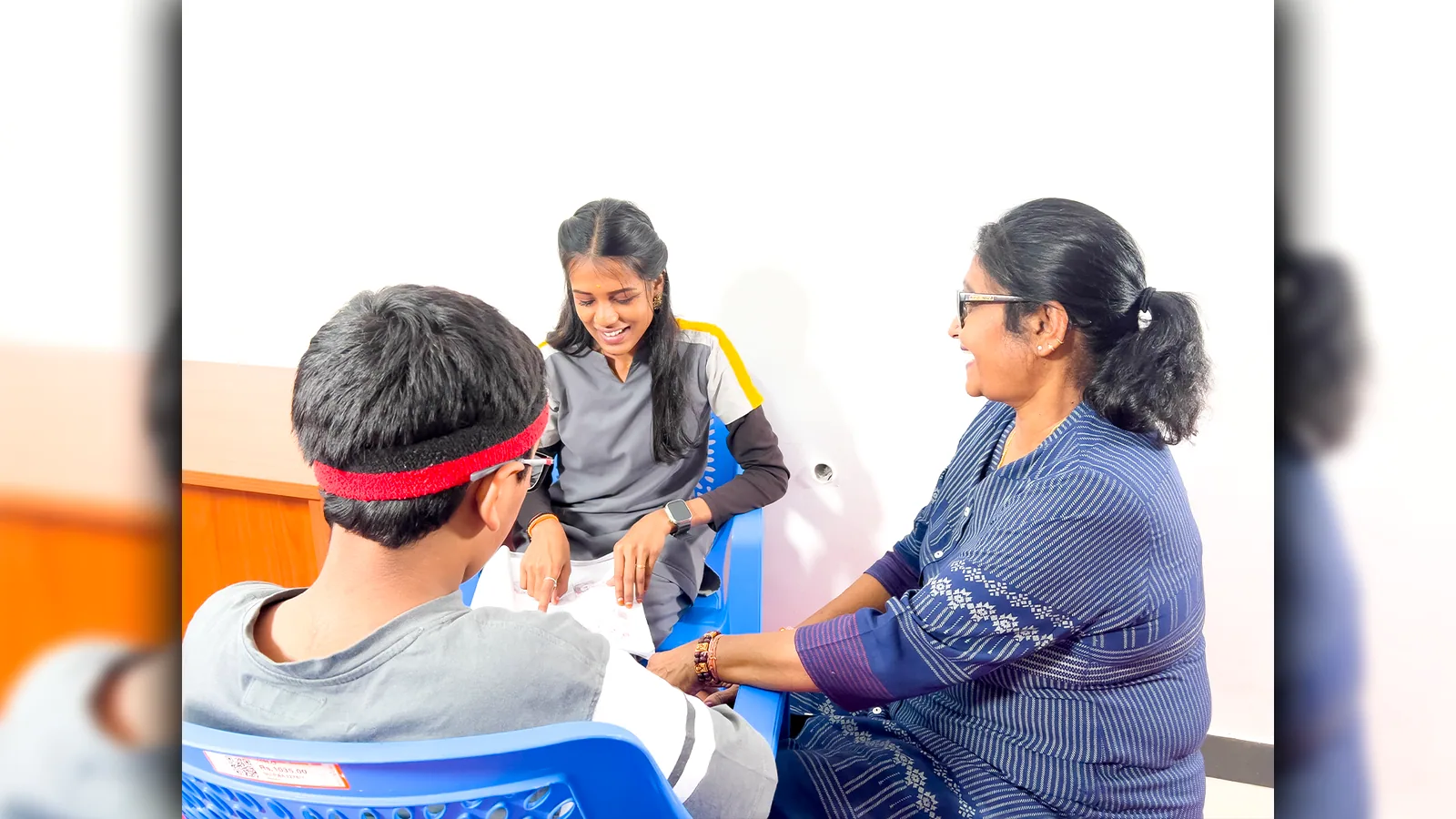
A parent and child in a consultation with a DARC clinician

What families notice

Real clinic spaces and therapist presence
Clear care steps before families invest
Child-led pacing with professional structure
Simple next steps for anxious parents

Inside DARC

Clinic moments that build confidence for families

A parent and child in a consultation with a DARC clinician

Parent guidance

Discuss your child's needs with the team

Photobiomodulation laser therapy support for a child at DARC Chennai

Non-invasive support

Comfort-first, closely observed sessions

A calm, visible process from assessment to therapy

The website should feel like the centre itself: organised, warm, clinical, and real. These moments show parent-visible care without turning the page into a photo gallery.

Understanding this support

Therapy focuses on function, access and participation

Cerebral palsy can affect movement, posture and coordination in different ways. DARC begins with the activities that matter to the child and family, then examines what support, practice or adaptation could improve access.

Goals may include using hands during play, communicating choices, sitting for a classroom activity, dressing participation or finding easier ways to complete a task.

  • Hand use and play
  • Self-care participation
  • Communication access
  • School and home adaptations

Care may involve a wider multidisciplinary team

Occupational and speech-language therapy are only part of cerebral palsy care. DARC can coordinate its goals with physiotherapy, medical follow-up, orthotics, seating, hearing, vision or swallowing services provided elsewhere.

The team will explain when a need requires another professional rather than presenting DARC as a replacement for medical care.

Occupational therapy for cerebral palsy in detail

Occupational therapy for children with cerebral palsy focuses on maximising participation in daily life — dressing, feeding, play, school tasks, and social interaction — given the child's specific motor, sensory, and developmental profile. OT does not aim to 'cure' the neurological condition; it focuses on building the child's functional independence and quality of life.

The OT plan for a child with cerebral palsy is always individualised. The type and distribution of motor involvement (hemiplegia, diplegia, quadriplegia), muscle tone (spastic, athetoid, ataxic), and the child's developmental stage all shape the specific goals.

Fine motor skills and hand function — improving grip, reach, coordination, and handwriting where possible. Sensory processing — many children with CP have sensory processing differences that affect behaviour, attention, and daily routines. Self-care independence — dressing, feeding, toileting, and grooming strategies adapted to the child's motor capacity.

Postural support — positioning strategies for sitting, standing, and play that reduce fatigue and support participation. School participation — OT supports access to learning through adapted tools, seating, and task modification. For many children with CP, these functional gains are life-changing for the whole family.

Dr. Aaditya's initial assessment for a child with cerebral palsy reviews the child's current motor function, reflex patterns, sensory processing, self-care capacity, daily routine participation, communication, and parent priorities. Any prior physiotherapy reports, medical notes, or neurological assessments are reviewed as context.

DARC does not replace physiotherapy — PT and OT serve different primary functions. Where physiotherapy focuses on movement and ambulation, OT focuses on functional use of those motor abilities in daily life. Many families access both in parallel.

Children with cerebral palsy in Chennai typically see a paediatric neurologist, a physiotherapist, and sometimes a speech therapist in addition to OT. DARC coordinates therapy goals with whatever the family is already doing — not duplicating work, but filling the functional daily-life layer that OT specifically addresses.

Bring any existing medical reports, physiotherapy notes, and school information to the consultation — the more context available, the more specific the OT plan can be from day one.
Available at both Chennai branches

Choose the DARC branch that makes consistent visits easier.

For children and families

When this support may be useful.

Hand use, play or self-care challenges

Posture, seating or access needs affecting activities

Speech or communication access concerns

School participation and everyday independence goals

What progress means

Functional changes families can observe.

Progress is measured through meaningful participation: using hands, communicating choices, accessing play and learning, self-care and family routines.

DARC's OT and speech-language teams can coordinate functional goals and work alongside the child's medical, physiotherapy and school professionals.

Assessment-first planning instead of one-size-fits-all therapy

Parent guidance included so skills are practised at home

Monthly progress reviews with clear next goals

Every child is different. DARC reviews goals against the child's own starting point and daily participation.

◆ What happens in therapy

A clear plan before parents commit.

Parents should know what the first visit is for before committing to repeated sessions. DARC begins by understanding your child's profile, parent priorities, school or home concerns, and which therapy inputs need to work together.

1

Functional history and goal setting

2

Observation of movement and task access

3

Occupational therapy or communication activities

4

Equipment, home or referral guidance when needed

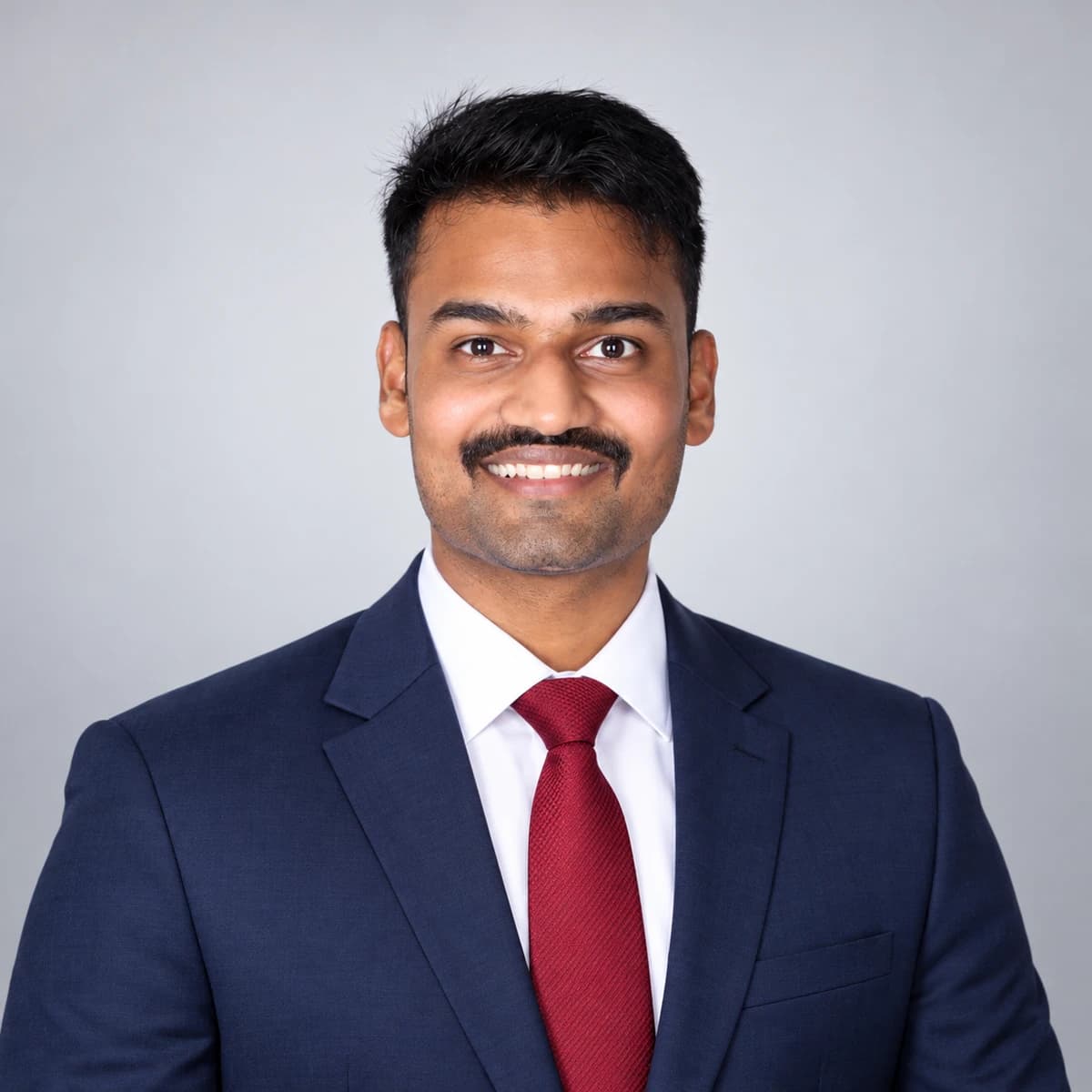
Dr. Aaditya Malathy, Occupational Therapist and Founder at DARC Chennai

Clinical direction

Dr. Aaditya Malathy

Occupational Therapist and Founder · OT, MS (USA)

Specialist-led care

A named clinical lead behind the therapy direction.

Dr. Aaditya leads DARC's assessment-first, root-cause focused approach for children with autism, ADHD, developmental delay, sensory processing concerns and daily function challenges.

Occupational Therapy
Sensory Integration
Primitive Reflex Integration
Parent Guidance
Child Development Planning

Written by

Dr. Aaditya Malathy

Founder, DARC · Occupational Therapist, OT, MS (USA)

Clinically reviewed by

Vasudharany

Head SLP · Speech, language, feeding and communication support

Page reviewed 2026-09-20

Proof and clarity

Why parents trust DARC.

Assessment-first planning instead of one-size-fits-all therapy

Parent guidance included so skills are practised at home

Monthly progress reviews with clear next goals

Two Chennai branches: Ashok Nagar and Pallikaranai

DARC's OT and speech-language teams can coordinate functional goals and work alongside the child's medical, physiotherapy and school professionals.

Progress is measured through meaningful participation: using hands, communicating choices, accessing play and learning, self-care and family routines.

🎥 Patient Stories

Real families. Real progress.

Shared voluntarily by DARC families. Tap any video to watch.

01
DARC Parent Story

A parent shares their child's therapy journey at DARC

02
DARC Parent Story

A family shares what changed for them

03
DARC Parent Story

Trust, clarity, and visible progress

04
DARC Parent Story

Real parent feedback from DARC Chennai

05
DARC Parent Story

Parents talk about their experience

06
DARC Parent Story

A parent story about care and guidance

07
DARC Parent Story

Clinic support shared by a DARC family

08
DARC Parent Story

A therapy journey shared by a parent

Individual outcomes vary. Stories shared voluntarily by DARC families — no compensation given.

Methods used

Evidence-informed, child-led support.

Paediatric occupational therapy
Functional hand skills
AAC and communication access
Self-care practice
Parent and school guidance

Connected care

Support that works together around your child.

Explore related DARC services and local clinic pages without losing the thread of your child's therapy plan.

Prefer speaking to someone? Call DARC and ask which branch, therapist, and assessment pathway fits your child.

+91 99401 40262

Common questions

Clear answers before your first visit.

Does DARC cure cerebral palsy?+

No. Cerebral palsy is a lifelong neurological condition. Therapy can support skills, access, comfort and participation, but DARC does not promise a cure.

Is occupational therapy different from physiotherapy for cerebral palsy?+

They often overlap but have different emphasis. OT commonly focuses on daily activities, hand use, self-care, play, access and adaptations, while physiotherapy may focus more on movement, strength, mobility and physical management.

Can DARC support communication if speech is difficult?+

Yes. A speech-language assessment can consider language, speech and AAC options so the child has a reliable way to communicate.

How much does therapy cost at DARC?+

Fees depend on the assessment, therapy frequency, and the support plan. We explain the recommended plan and cost clearly before parents commit.

Is the therapy safe for my child?+

Sessions are child-friendly and supervised by trained therapists. Non-invasive supports are recommended only when suitable and never presented as a standalone cure.

How quickly will we see progress?+

Some families notice early changes within weeks, while deeper developmental goals take longer. Progress depends on the child's profile, consistency, and home practice.

✦ Next step

Start with a clear assessment for Cerebral Palsy Therapy Support in Chennai.

You do not have to decide everything alone. DARC will help you understand the concern, the safest next step, expected timeline, and therapy plan before you commit.