Occupational Therapy in Pallikaranai: What Parents Should Know
Explore occupational therapy in Pallikaranai: DARC's branch details, assessment questions, practical home goals, school coordination and visit planning.
A quick answer
For occupational therapy in Pallikaranai, choose an assessment-led plan that connects to daily life and a travel routine your family can maintain. DARC Pallikaranai is at 5/1077, Maxworth Nagar 2nd Street, Chennai 600129. Call +91 88705 29103 to confirm appointments, directions and arrival arrangements.
- Describe difficulties across home, play and school so the first visit has a purpose.
- Consider the full south Chennai journey when planning recurring sessions.
- Ask how home guidance, caregiver feedback and school information fit the plan.
Educational guidance for parents. Individual assessment determines care; this article does not diagnose your child or promise a treatment outcome.
Choose a nearby service for a clear reason
When looking for occupational therapy Pallikaranai, convenience is often part of the decision. South Chennai families may be fitting care around school, work and long journeys. A practical location matters, but first ask what you want help with. The right first conversation concerns your child's daily activities and whether an occupational therapy assessment can clarify the difficulty.
Perhaps play is very restricted, getting ready for outings is stressful or using everyday objects requires a lot of assistance. Describe one routine at a time. Include what your child enjoys, how they communicate and the conditions in which the task becomes easier. These details help a clinician decide what to explore without assuming that every concern requires the same programme.
Confirm the Pallikaranai address and route
DARC Pallikaranai is at 5/1077, Maxworth Nagar 2nd Street, Maxworth Nagar, Pallikaranai, Chennai, Tamil Nadu 600129. The branch phone is +91 88705 29103. Open the verified map link on the location page before travelling. Call if you need help identifying the entrance or discussing an arrival that is easier for your child.
Families in Velachery, Madipakkam, Medavakkam, Sholinganallur, OMR, Perumbakkam and Keelkattalai can compare the route with their own daily schedule. Neighbourhood proximity does not guarantee a particular travel time. Check current navigation at your likely appointment time, including the return journey. Confirm session arrangements directly rather than assuming that a listing or a previous visit reflects current availability.
Use home routines to prepare for the first discussion
A simple note about an ordinary day can be more useful than a long symptom checklist. Describe waking, dressing, meals, school, play and bedtime, then highlight the two or three routines that cause the most difficulty. Keep strengths in the picture. A child may struggle with a specific step while showing good problem-solving, interest or independence elsewhere.
Ask other regular caregivers what they observe, without turning the week into a series of tests. If grandparents or a caregiver manage the routine differently, note what changes. Bring examples of support that helps and support the child resists. The assessment can then explore both the activity and its context rather than assuming that the child must adapt to one fixed way of doing things.
What an individual plan should make clear
After the assessment, ask which needs were identified and which priorities the team recommends working on first. A plan should connect the chosen activity to a daily-life goal. If a clinician recommends a sensory, motor or attention-related approach, ask how it relates to participation and what observation will show that the approach is useful for your child.
Discuss the starting ability, the level of help needed and the next achievable step. A family may value getting through one part of a meal more comfortably, participating in a dressing step or managing play materials. These are examples to guide a conversation, not promises about results. Ask for clarification if the goals are so broad that you cannot identify what change to watch for at home.
Fit parent guidance into the way your household works
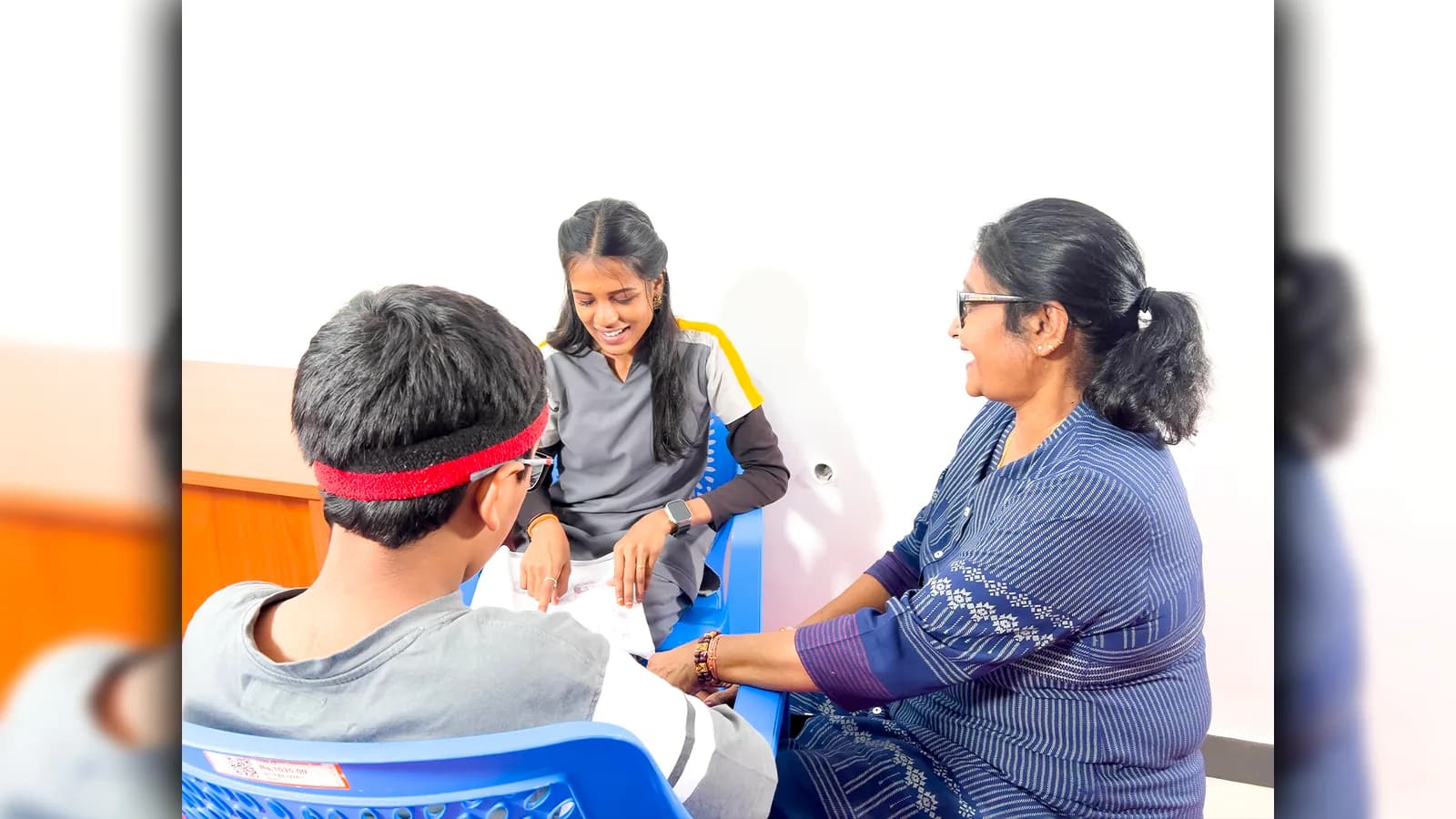
Ask how caregivers will learn to use any recommended strategies. A short demonstration, an explanation of the purpose and a chance to practise asking questions can be more useful than a long list to follow without feedback. Tell the clinician how much time you have, what materials are available and who is usually with the child during the target activity.
The home plan should be manageable and should change when the family's experience shows it is not working. Share what happens if the child becomes distressed or a strategy makes the routine harder. Do not add specialist equipment or copy demanding routines from another child's programme. Individual guidance should explain the limits, supervision needs and how the child's comfort affects the next step.
Coordinate with school and other professionals when needed
Ask a teacher for specific observations rather than only a broad description such as 'poor focus'. Which activity was hard? Was the difficulty with understanding, handling materials, movement, transitions or something else? What happened when the environment or support changed? With permission, those details can help the OT understand the difference between a clinic task and the school activity that matters.
If communication, mobility, learning or medical concerns also need attention, ask who should assess them. A multidisciplinary centre should explain distinct roles instead of assuming every child needs a full bundle of therapies. Make sure the recommendations fit together and identify a contact for questions. Sharing information should help the family understand care, not create more contradictory instructions to manage alone.
Consider travel, fees and continuity before recurring visits
Work through the proposed weekly schedule before committing. Who will travel with the child? Is there time for food and rest? Can the same caregiver attend a review? Ask about current appointment options, what happens during therapist leave and how a change in the treating clinician would be handled. A workable timetable should support consistency without overwhelming the family.
Request a quote for the initial assessment and, if recommended, recurring sessions. Confirm duration, inclusions, reviews and cancellation terms. Do not assume a monthly figure covers a particular number of visits or that a consultation charge is the session rate. If affordability or attendance is a concern, discuss it openly so the clinician can explain appropriate options and priorities.
Choose the branch by your whole weekly pattern
A family living near OMR may still have school, work or caregiver arrangements elsewhere in Chennai. Compare the actual beginning and end of the journey rather than selecting a centre from the home address alone. Pallikaranai may be practical for some south Chennai routines; for other families, the Ashok Nagar branch may fit better. Neither location is automatically the right choice for every nearby household.
Include the person who will accompany the child in the discussion. Can that caregiver manage the route, attend feedback and pass on observations from the target routine? If different adults attend on different days, ask how the branch can keep communication consistent. Consider where the child will eat or rest before the appointment and whether the return trip creates pressure on the evening routine.
If you are thinking about changing branches, ask what assessment and handover arrangements would apply. Do not assume the same therapist, slot or session format transfers automatically. A clear plan for sharing goals and observations is more helpful than starting again without the previous context. Confirm the new appointment arrangements before changing the family's schedule.
Review practical fit if school timings or work arrangements change. Tell the team early if the original plan becomes difficult to maintain. The purpose of choosing a manageable branch is to support continuity and useful caregiver participation, not simply to accumulate attendance. Clinical recommendations and the child's response remain part of the decision.
Agree how you will know whether support is helping
Keep the original concern visible when reviewing care. If the goal concerns an everyday routine, compare what happens now with the starting point. Note assistance, comfort and whether the skill is used with different people. The first useful change may be participation in a step, not complete independence. Ask the team to distinguish progress in a session from transfer to home or school.
When progress is unclear, discuss what information is missing and what will change in the plan. A review might lead to a different strategy, revised goal, another assessment or a change in frequency. DARC's Pallikaranai team can explain the initial consultation pathway through the branch phone or request form. Choose the next step with a clear purpose and realistic expectations rather than a guaranteed timeline.
Common questions
Where is DARC's Pallikaranai branch?
It is at 5/1077, Maxworth Nagar 2nd Street, Maxworth Nagar, Pallikaranai, Chennai 600129. Call +91 88705 29103. Use the branch page's verified map and confirm the appointment and entrance details before travelling, especially if your child has particular arrival or accessibility needs.
Is Pallikaranai suitable for families travelling from OMR?
It is a south Chennai location that some OMR families may find practical. Check your actual route and travel time rather than relying on a general proximity claim. Clinical fit, appointment availability and the child's comfort with the journey also matter when choosing a recurring service.
Can different caregivers attend the sessions?
Ask the team about its arrangements and how guidance will be shared. Explain who manages the relevant home routines and who can accompany the child. Consistent communication helps caregivers understand the same goals even when the adult attending an appointment changes.
Sources and further reading
Prepared by DARC from the resources below and existing service information. These sources do not endorse DARC or establish a result for an individual child.
- DARC Pallikaranai: verified branch information (opens in a new tab)
- RCOT: Children, young people and families (opens in a new tab)
- NHS: A guide to a children's OT assessment (opens in a new tab)
First published . Updated . Read our editorial policy or send a correction.
A clearer next step for your child
Share what is difficult in your child's day. The DARC team can explain the appropriate assessment pathway in Ashok Nagar or Pallikaranai.
No payment is collected on the request form. The team confirms the next step separately.