What Happens During a Child's First Occupational Therapy Assessment?
Prepare for a pediatric OT assessment: parent questions, play and activity observations, reports to bring, feedback, goals and what happens afterwards.
A quick answer
A pediatric OT assessment usually combines a caregiver discussion, observation of relevant activities and, when appropriate, structured assessment tools. It aims to understand what helps or hinders the child's participation. Ask what feedback is included, what remains uncertain and which next steps fit your child's needs.
- Bring daily-life examples, existing reports and your child's strengths and interests.
- The child does not need to rehearse or perform perfectly at the visit.
- Leave knowing the priorities, recommended next step and how questions will be followed up.
Educational guidance for parents. Individual assessment determines care; this article does not diagnose your child or promise a treatment outcome.
What the assessment is for
A pediatric OT assessment is an opportunity to understand your child's participation in activities that matter. It is not a pass-or-fail examination and should not begin with a predetermined package. The therapist wants to know what your child can do, what feels difficult and how the surroundings and support affect the task. This helps identify whether occupational therapy is appropriate and what it could focus on.
AOTA describes the evaluation process around an occupational profile and analysis of performance. For parents, the useful outcome is an explanation tied to daily life. Ask what the assessment can clarify and what it cannot decide. Some concerns need hearing, medical, speech-language or other input. An OT assessment should not be presented as a universal way to diagnose every developmental or health condition.
Before the visit: prepare a short history and three examples
Write down the activities causing the most concern, where they happen and what assistance is needed. Include a manageable example from home and one from school if relevant. For instance, 'needs help to open the lunchbox' is more specific than 'poor hand skills'. Note what your child enjoys and can do well, because strengths can inform both assessment and later planning.
Bring reports or summaries you already have and a list of relevant medical, hearing or school information. Tell the team about previous therapy and what helped or did not help. You do not need to purchase new tests or gather every historical document before asking for a first appointment. Check what the service specifically requests, and ask how to share sensitive information securely.
- Your main concerns and examples of when they happen
- Your child's interests, strengths and preferred communication
- Existing reports and relevant medical or school information
- Questions about the appointment, feedback, fees and next steps
Arrival: help the clinician understand what is typical
A new place can change how a child participates. Explain whether the child is usually more active, more communicative or more comfortable in familiar settings. Ask about bringing a familiar item and any arrival arrangements that could help. If the child is ill, tired or distressed, share that context so observations are interpreted appropriately and the team can discuss whether to adapt the visit.
There is no need to coach the child to give the right answers or repeat a skill until it appears. The clinician needs a realistic view, including how support affects the task. If a child does not attempt an activity, tell the therapist what you have seen elsewhere. Sometimes more information or another observation is needed before drawing a conclusion about the skill.
The caregiver interview: daily routines and priorities
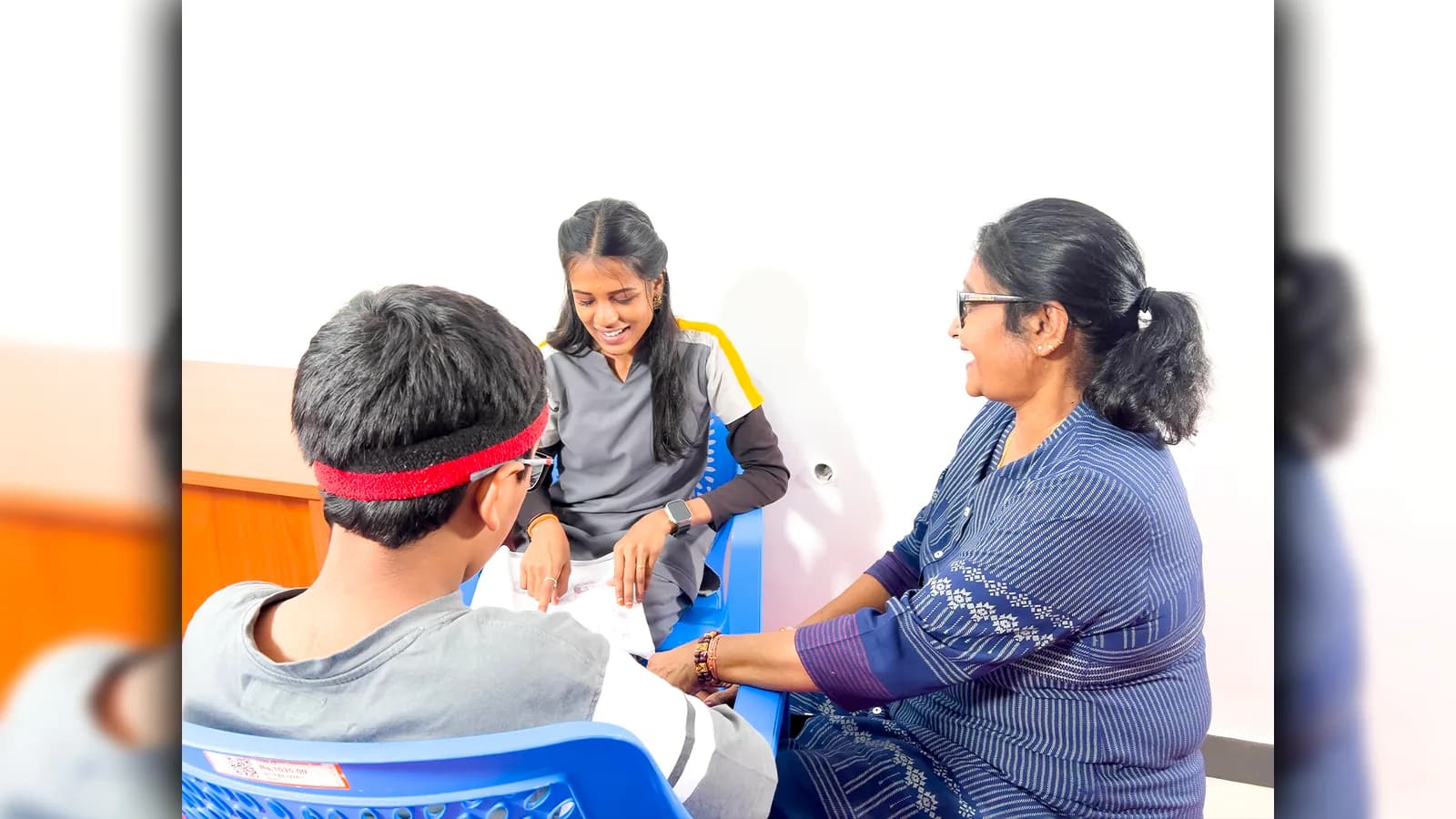
The therapist may ask about play, dressing, meals, school activities and the routines that are important for your family. Be specific about what makes the activity difficult and what you hope will change. Mention the languages and communication used at home, who usually supports the child and any environmental factors that seem to affect comfort or success.
If several concerns compete for attention, ask how the team will prioritise. You do not have to solve every difficulty in the first discussion. A clear starting priority helps everyone understand the purpose of the plan. Tell the clinician if an activity they propose is not relevant to your household, so the goals reflect meaningful participation rather than a generic developmental checklist.
Observation: play, movement and relevant everyday tasks
The clinician may observe how the child explores materials, handles objects, moves between activities or attempts parts of a daily task. The exact activities depend on the reason for referral, age, abilities and setting. Ask what a task is helping the clinician understand. An unfamiliar game may be used to observe a relevant ability, but its purpose should be explainable.
Observation includes the support and environment, not only whether a child completes something. Does a demonstration help? Is a simpler setup useful? Does the child communicate discomfort or request a change? These details can guide practical recommendations. A busy child-friendly room and a quiet task can show different information; neither should be treated as the whole picture without considering the context.
Structured tools: useful information with limits
When appropriate, the OT may use questionnaires or standardised assessments alongside observation and history. Ask what a tool measures, why it is relevant and what its results mean for the concern you raised. You can also ask whether the child's language, familiarity with the task or other factors affect interpretation. A numerical result should be explained in understandable terms.
Not every assessment uses the same tools, and a tool alone does not establish a complete treatment plan. Ask how the clinician combines the different sources of information and what remains uncertain. Avoid interpreting a score you find online without guidance. If you are given a report, ask the clinician to connect its findings to the practical goals and any recommended additional assessment.
Feedback: understand what was found and what happens next
Ask when feedback is provided and whether a written summary or report is included in the quoted fee. The therapist should explain the main findings, what they mean for participation and the priorities being proposed. If OT is recommended, ask what it is intended to change, how the starting ability will be recorded and when you will review the plan.
Possible next steps include goal-led OT, caregiver guidance, changes to the activity or environment, information from school or assessment by another professional. More therapy is not the only possible conclusion. Ask for time to understand the recommendation and clarify any disagreement between the clinic observations and daily life. A useful assessment helps make the next decision more informed, even when it does not answer every question.
Questions worth asking before you leave
Ask the clinician to summarise the main priority in one or two sentences. Which daily activity does it affect? What information supports that conclusion? What needs further clarification? Then ask what the next appointment is intended to do and how the proposed goal will be reviewed. Write down any question that still feels unanswered so it is not lost in the journey home.
You can also ask what to do between appointments and what to avoid starting without further guidance. A useful answer should be manageable and specific to the findings. Clarify whom to contact about clinical questions and whom to contact about scheduling or fees. Having those roles clear helps the first assessment lead to an organised next step.
Plan the practical follow-up in Chennai
Confirm the appointment length, cost and required preparation directly with the service. Do not assume that another child's appointment describes your own. If recurring visits are advised, discuss travel, school demands, parent feedback and fees before agreeing to a schedule. Ask who will provide ongoing sessions and how the assessment information will be shared if a different therapist becomes involved.
DARC has consultation access through Ashok Nagar and Pallikaranai. Use the request form or branch contact to describe the concern and ask which first appointment is suitable. You should not need to choose a therapy package before the team understands the difficulty. If you notice loss of skills or a new medical concern, also contact your child's doctor rather than waiting for a routine therapy appointment.
Common questions
How long does a first OT assessment take?
The duration depends on the service, the concern and the tools or feedback included. Confirm it when booking and ask whether caregiver feedback or a written report is provided during the visit or later. This article does not promise a fixed duration for every DARC assessment.
Does my child need a diagnosis before an OT assessment?
Not every daily participation concern requires a diagnosis before you can ask about assessment. Describe what is difficult and let the team explain the appropriate pathway. If a separate medical or developmental diagnostic assessment is needed, the clinician can discuss that referral; an OT appointment does not automatically replace it.
What if my child refuses the activities?
Tell the clinician what is typical in familiar settings and what may be affecting comfort. A child does not fail an assessment by refusing or finding a task difficult. The team can discuss adaptations, caregiver observations and whether additional information or another visit is needed.
Will we receive a report?
Ask before booking what written feedback is included, when it will be available and whether a school-specific report is a separate service. If you receive a report, request an explanation of the main findings, goals and next steps rather than relying on scores without context.
Sources and further reading
Prepared by DARC from the resources below and existing service information. These sources do not endorse DARC or establish a result for an individual child.
- AOTA: Evaluation and assessment (opens in a new tab)
- NHS: A guide to a children's OT assessment (opens in a new tab)
- CDC: Concerned about your child's development? (opens in a new tab)
First published . Updated . Read our editorial policy or send a correction.
A clearer next step for your child
Share what is difficult in your child's day. The DARC team can explain the appropriate assessment pathway in Ashok Nagar or Pallikaranai.
No payment is collected on the request form. The team confirms the next step separately.