Non-Invasive Autism Therapy in Chennai: What It Means and What to Avoid
Published by Dr. Aaditya’s Rehab Centre | Best Occupational Therapist in Chennai
Written and clinically reviewed by Dr. Aaditya Malathy, OT, MS (USA) · Last updated
A clear guide to non-invasive autism therapy in Chennai, including child-led therapy, parent training, sensory-motor support, and safe expectations.
Looking for support? Learn about autism therapy centre in Chennai at DARC.
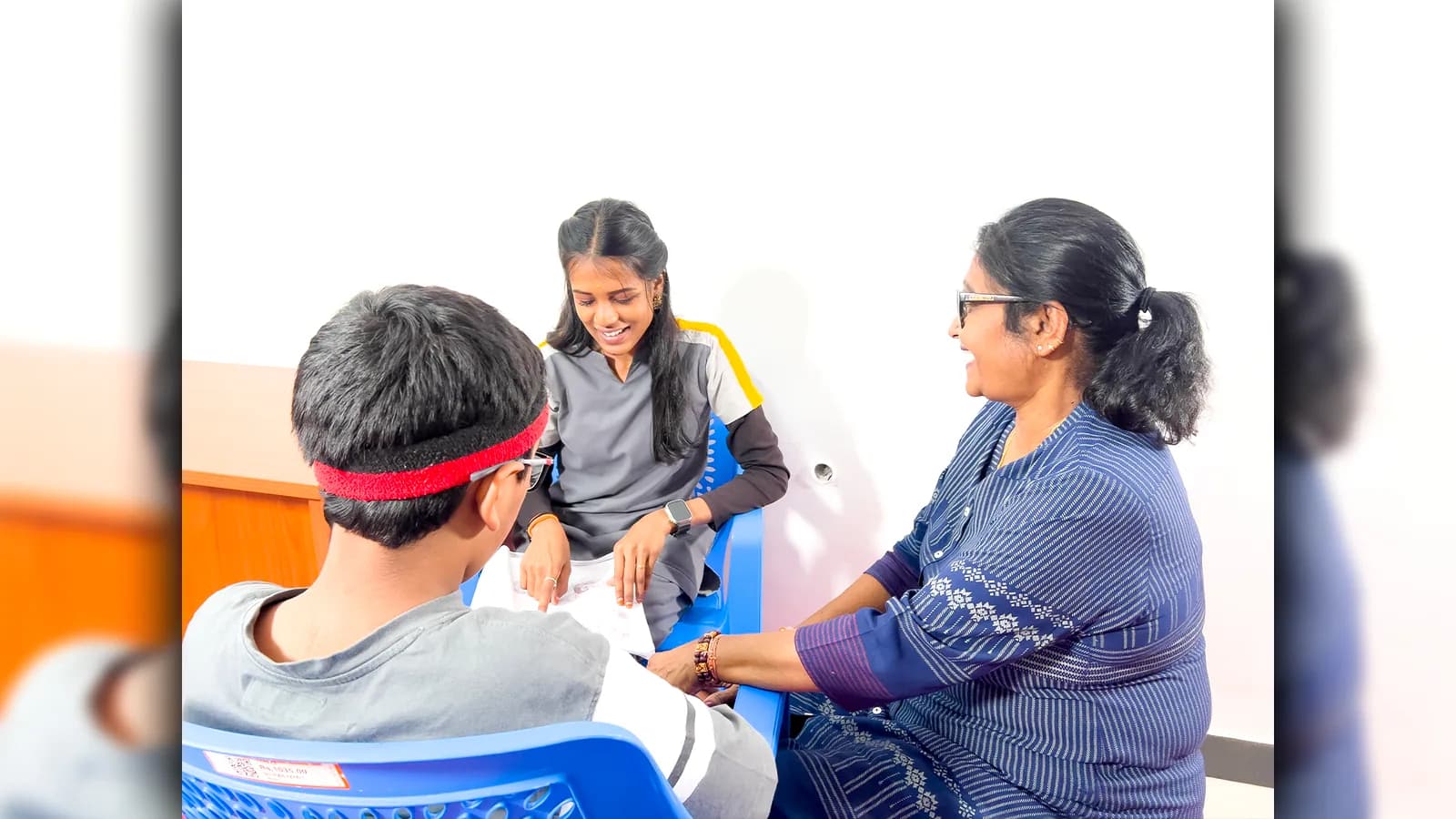

Founder and occupational therapist
Updated 2026-05-07
For parents shortlisting care
Use this guide to compare assessment quality, therapist fit, progress reviews, branch access, and ethical claims. Start with a consultation before committing to a therapy direction for your child.
Non-invasive should mean child-safe and honest
Non-invasive autism support should not mean miracle claims. It should mean therapy that respects the child's comfort, nervous system, sensory needs, communication, and developmental readiness.
At DARC, non-invasive supports are used as part of a broader assessment-led plan, not as a standalone cure.
Avoid guaranteed cure claims
Parents should be careful with any promise that one method will cure autism, make every child speak in a fixed number of days, or replace the need for assessment.
A safer centre will explain what it can support, what it cannot promise, how progress is measured, and how parents are involved.