Best Speech Therapy Centre in Chennai: 10-Point Parent Guide (2026)
Use this 10-point guide to compare pediatric speech therapy centres in Chennai by assessment quality, SLP credentials, functional goals, parent coaching and progress reviews.
Updated 2026-07-17
For parents shortlisting care
Use this guide to compare assessment quality, therapist fit, progress reviews, branch access, and ethical claims. Start with a consultation before committing to a therapy direction for your child.
How to compare speech therapy centres in Chennai

The best speech therapy centre for one child may not be the best for another. A useful comparison looks beyond marketing claims and checks who assesses the child, what communication areas are evaluated, how goals are written and whether progress transfers into home and school life.
DARC publishes this guide and is featured because it is the programme we can describe directly. This is not an independent award or official ranking. Use the ten checks below when speaking with DARC or any other provider.
Featured centre: DARC speech and communication therapy
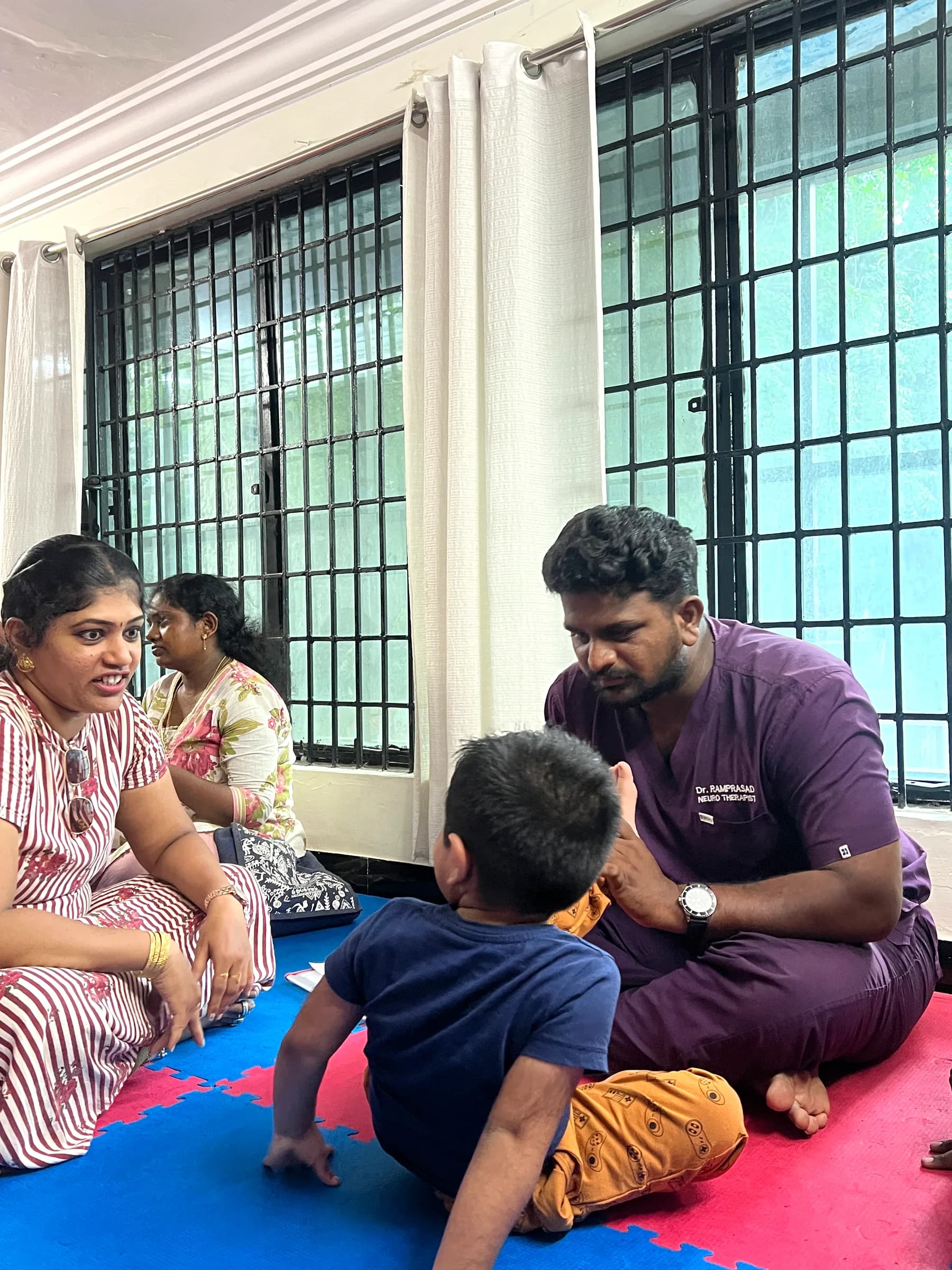
DARC provides pediatric speech and communication support at Ashok Nagar and Pallikaranai. The programme is led by Vasudharany, MSLP, Head Speech-Language Pathologist, and supports speech delay, language development, speech clarity, social communication, AAC and parent-guided communication routines according to assessment findings.
The aim is functional communication: helping a child understand, express needs, participate and connect across daily environments. Plans can be coordinated with occupational therapy, special education and parent coaching when a child has combined needs.
1. Ask for a complete speech-language assessment
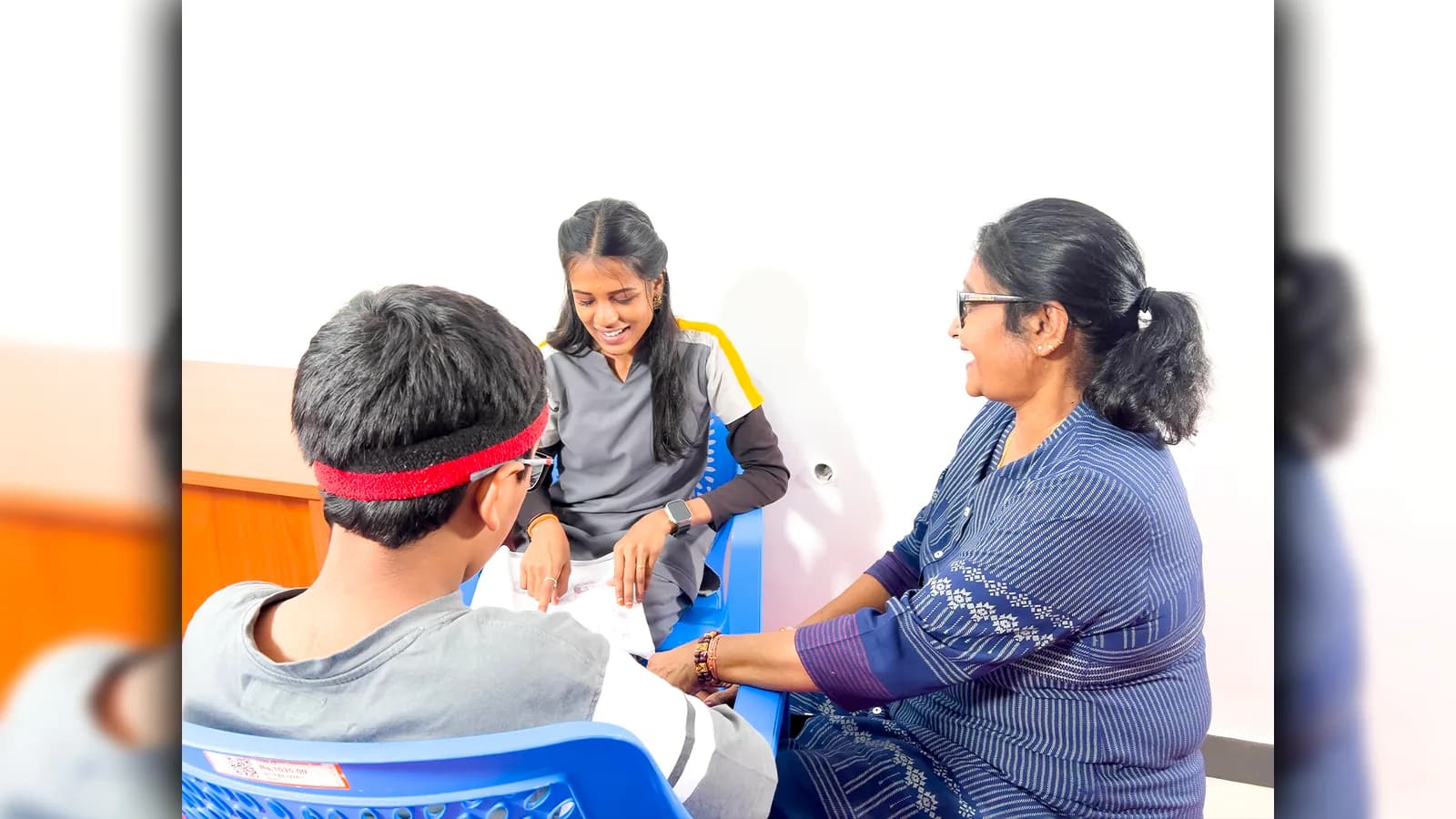
A pediatric speech-language assessment may examine what the child understands, how they express ideas, speech sounds, fluency, voice, social use of language and the communication strategies already used at home. Hearing or broader developmental review may also be recommended when relevant.
Parents should receive an explanation of the child's strengths, current barriers and whether speech-language therapy is appropriate. A session package should not be sold before the concern is understood.
2. Verify the treating professional's credentials
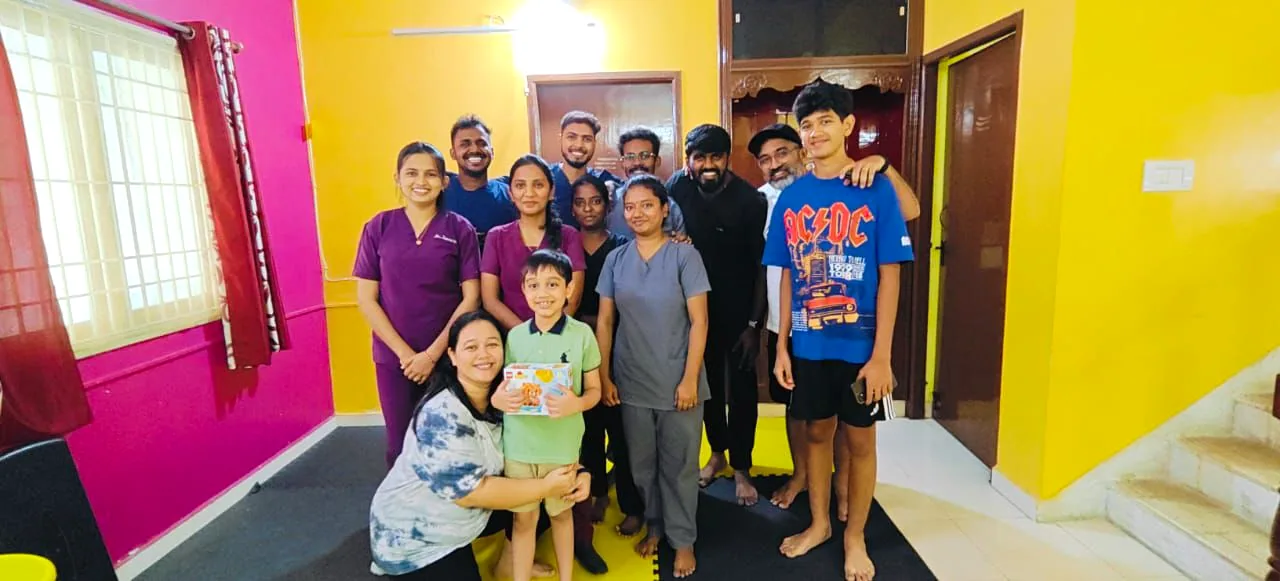
Ask whether assessment and ongoing therapy are delivered by a qualified speech-language pathologist with relevant pediatric experience. Common Indian qualifications include BASLP and MSLP or their recognised equivalents.
Clarify who supervises the plan, whether the same clinician reviews progress and how families can raise questions between formal reviews.
3. Prioritise functional communication goals

Good goals describe what the child needs to communicate in real situations—for example requesting help, understanding classroom directions, being understood by familiar listeners or joining a simple conversation.
Repeating words during drills can be one small part of therapy, but progress should also appear in spontaneous communication and participation outside the clinic.
4. Expect an individual communication plan
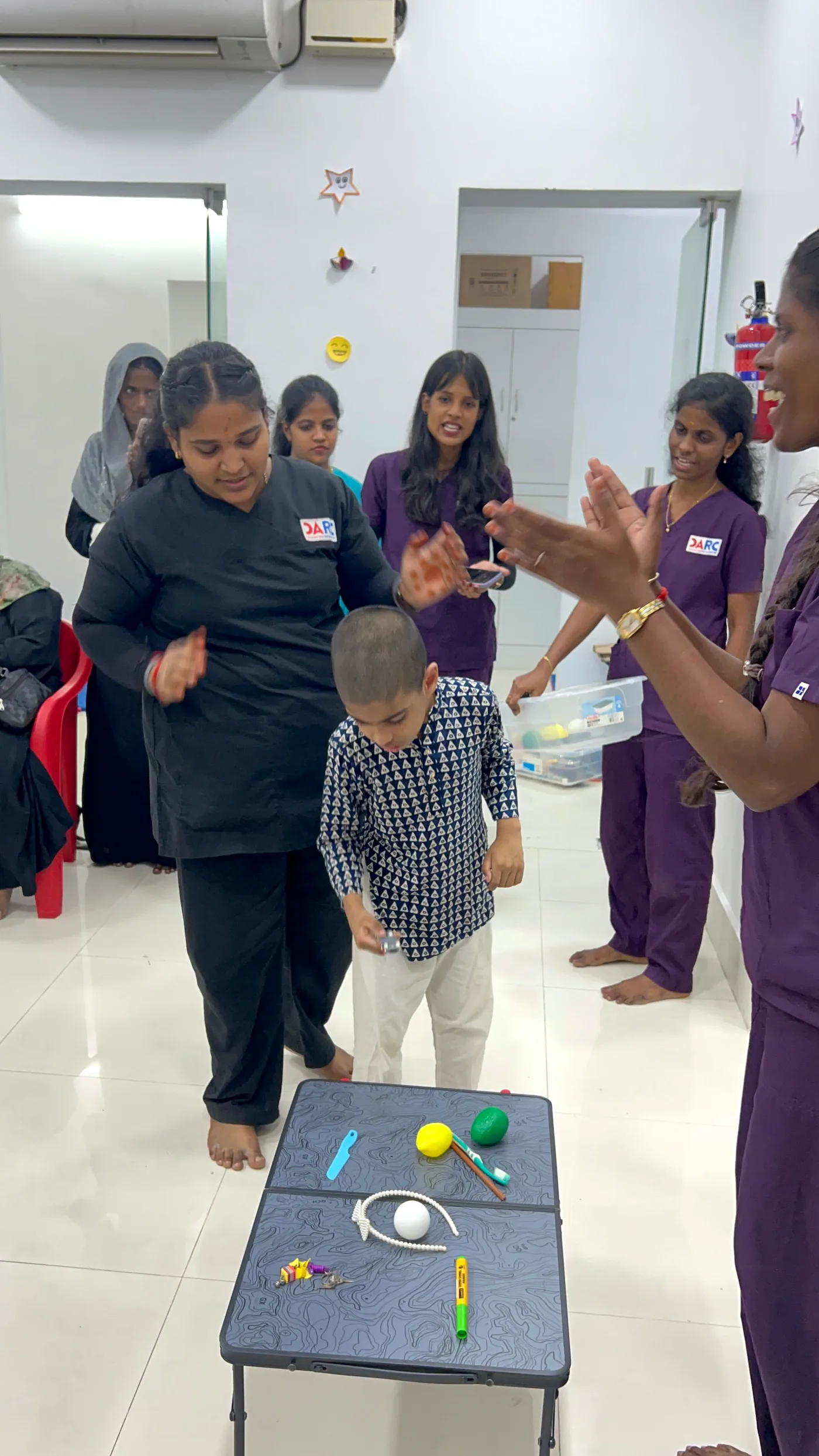
A late talker, a child with unclear speech and a child who uses few intentional communication signals do not need the same programme. Goals and methods should follow the child's assessment rather than a generic speech-delay sequence.
Ask the clinician to explain the chosen targets, the expected review interval and how the plan will change if progress or participation differs from expectations.
5. Ask how progress is measured
The centre should establish a starting point and review specific goals at planned intervals. Useful updates describe what the child can now do, where support is still needed and whether skills are carrying over to daily settings.
Families should be able to understand the progress discussion without relying on vague statements or unexplained clinical terminology.
6. Include parents without creating pressure
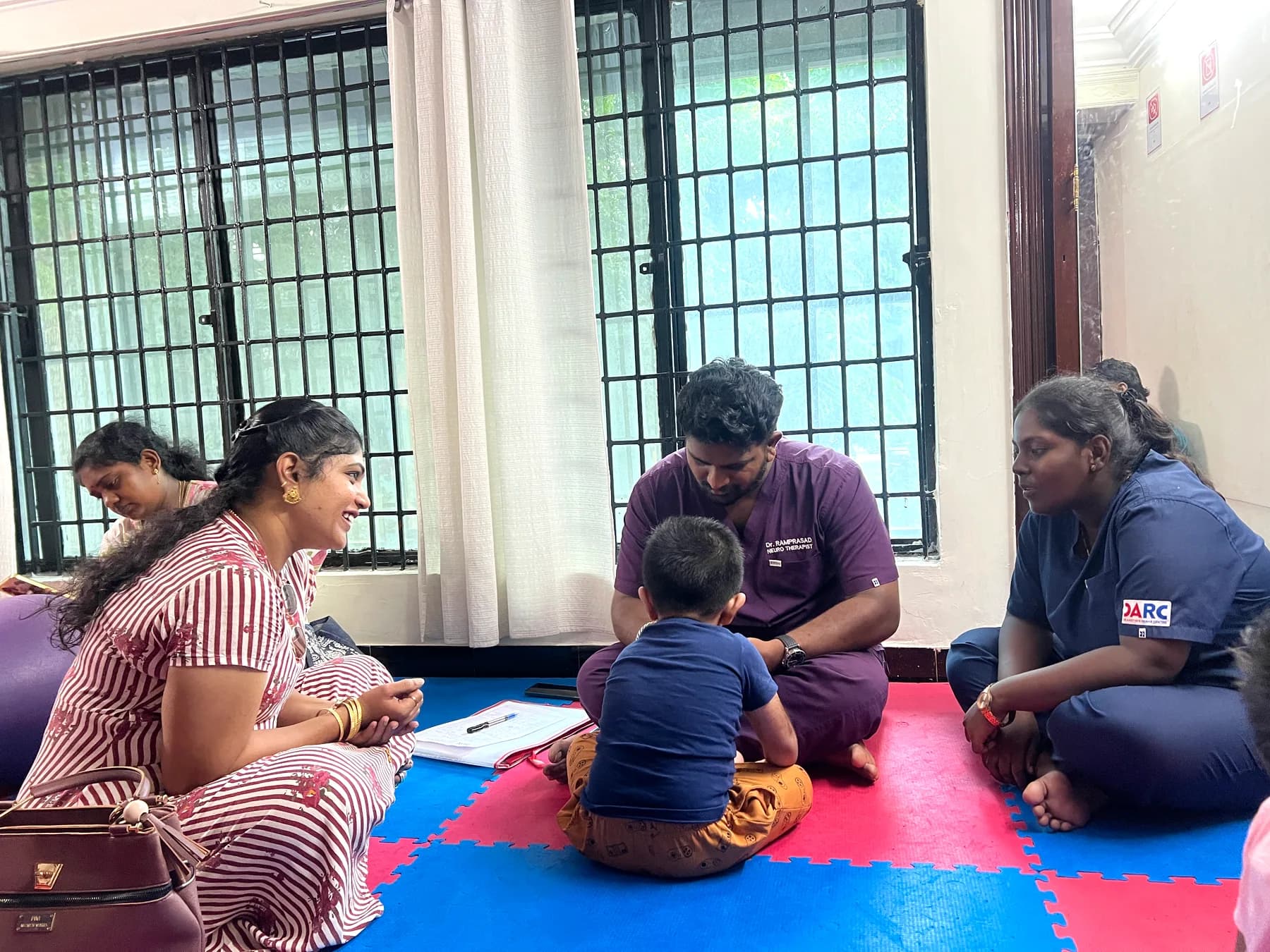
Parents can create many communication opportunities during play, meals, travel and familiar routines. The clinician should demonstrate manageable strategies and adapt them to the family's language, time and priorities.
Home guidance should support connection and communication—not blame parents or turn every moment into a test.
7. Consider AAC when it supports communication
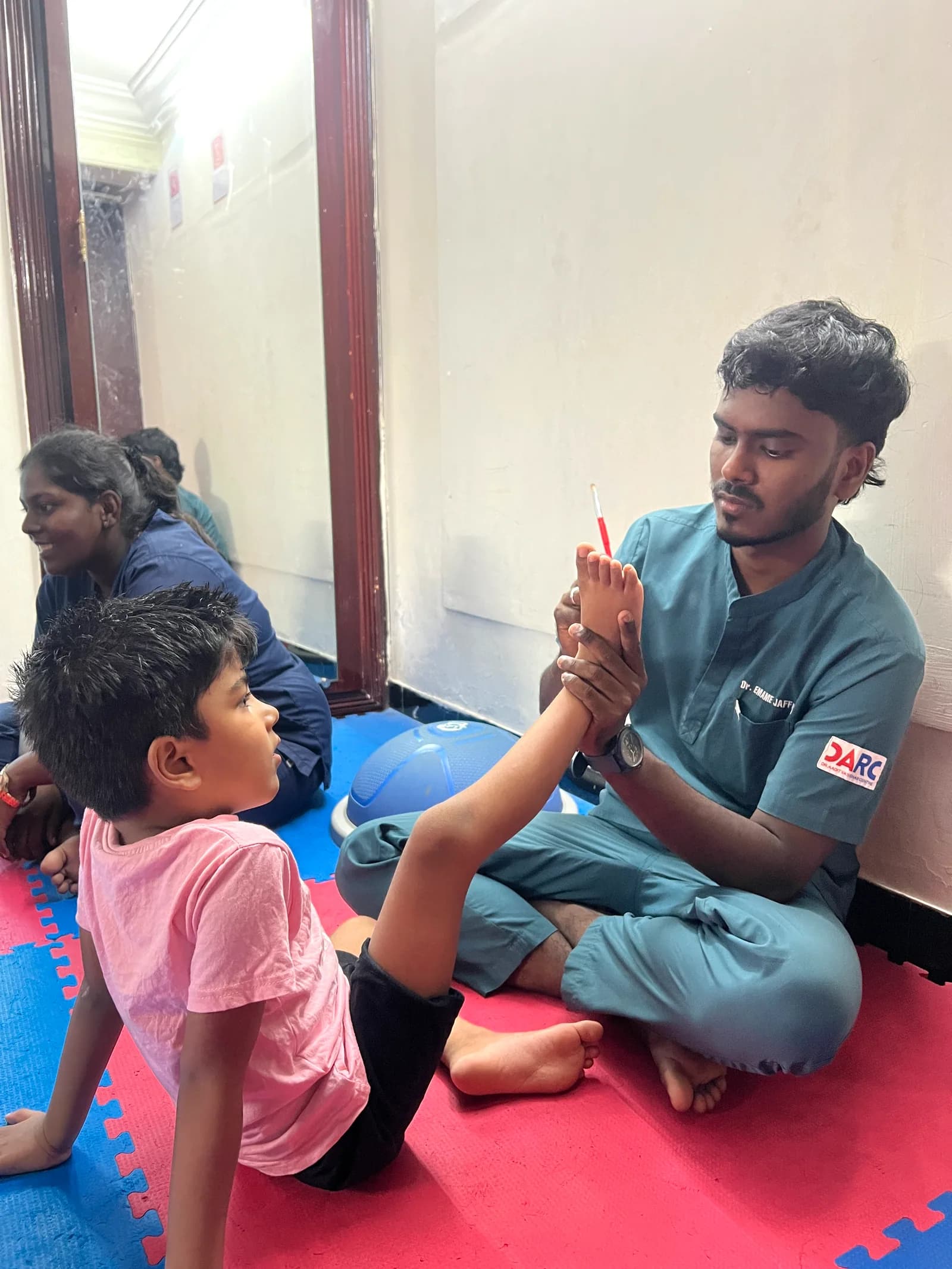
Augmentative and alternative communication can include gestures, pictures, communication boards or electronic systems. When appropriate, AAC gives a child another way to communicate while speech and language skills continue to be supported.
Ask whether the centre evaluates communication access broadly instead of requiring speech to be the only acceptable outcome.
8. Coordinate hearing, feeding and developmental needs
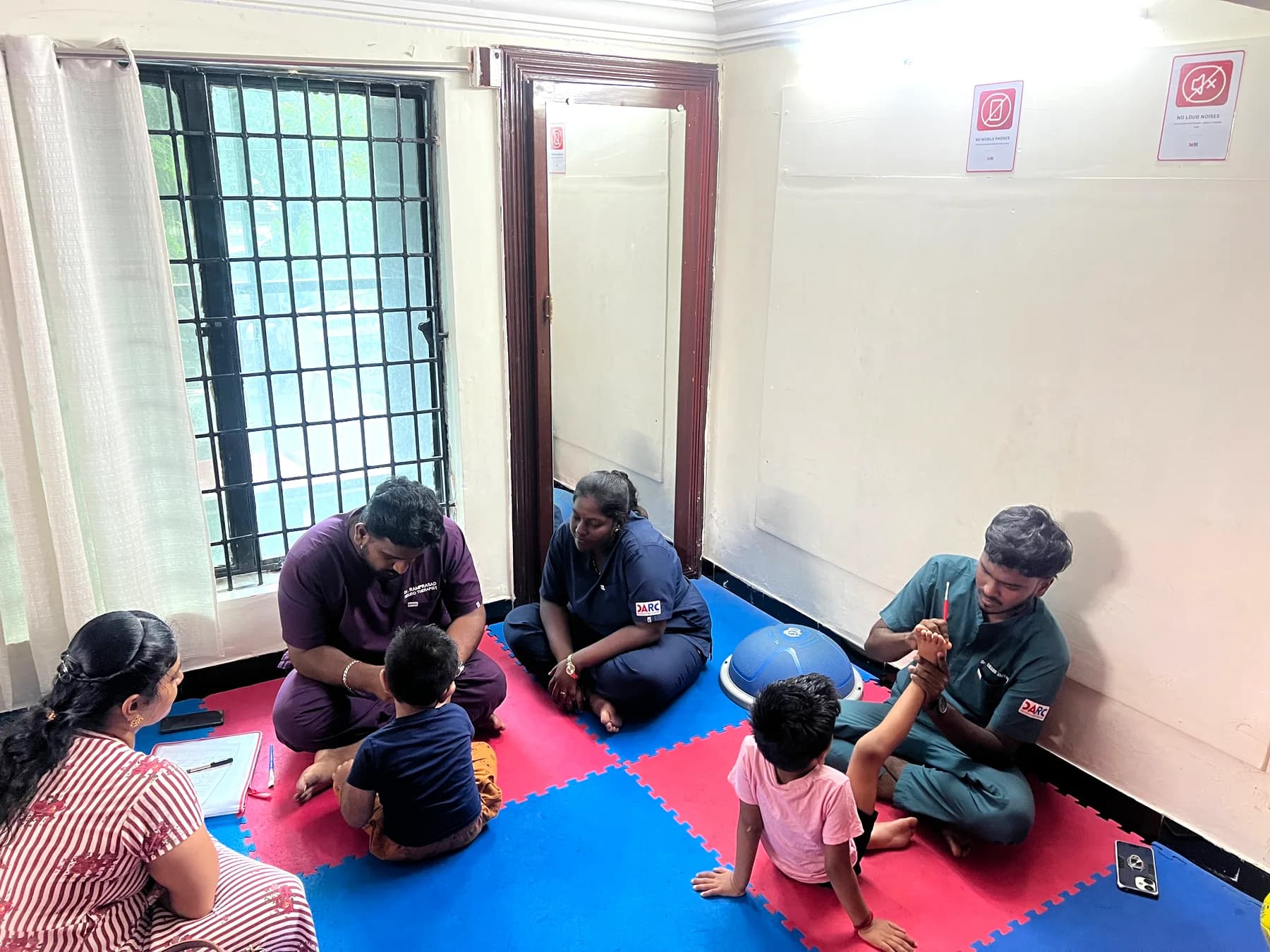
Communication concerns can occur alongside hearing differences, sensory needs, oral-motor or feeding concerns and wider developmental differences. The speech-language pathologist should recommend appropriate referrals rather than trying to manage every issue alone.
When several disciplines are involved, ask how goals are coordinated and how the family will receive one understandable plan.
9. Compare access, consistency and complete fees
Compare travel time, available appointments, therapist continuity, assessment charges, session fees, review costs and cancellation policies. Ask why a particular weekly frequency is recommended and when it will be reconsidered.
Consistent attendance with a clear plan is usually more practical than choosing a distant provider based only on promotional claims.
10. Avoid guarantees and rushed packages
No ethical provider can guarantee speech, language or a particular developmental outcome within a fixed number of sessions. Progress depends on the child's profile, goals, participation, health, environment and consistency.
Choose a centre that answers questions clearly, respects all forms of communication and gives you time to understand the assessment before committing to a long package.
Evidence and further reading