
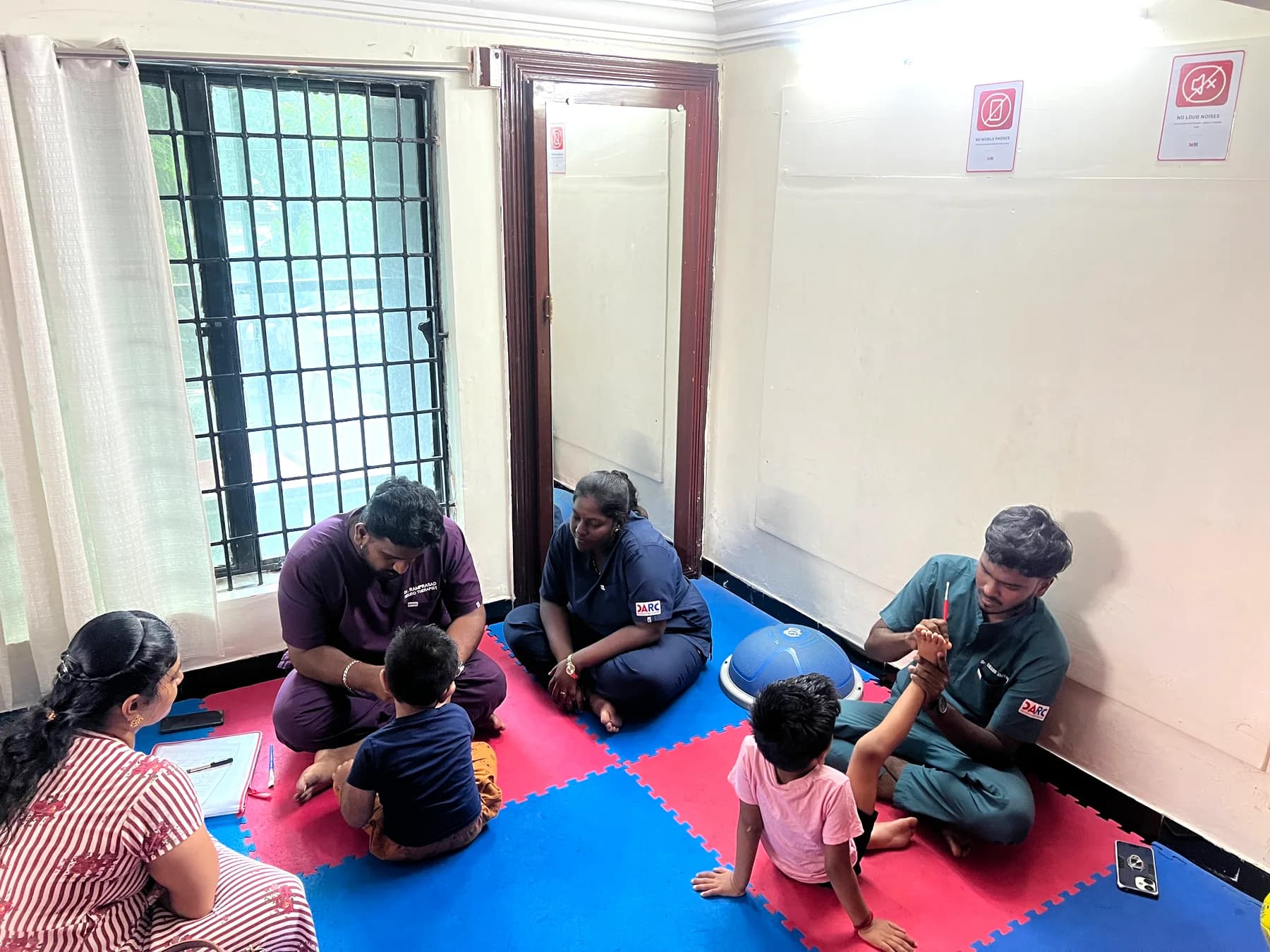
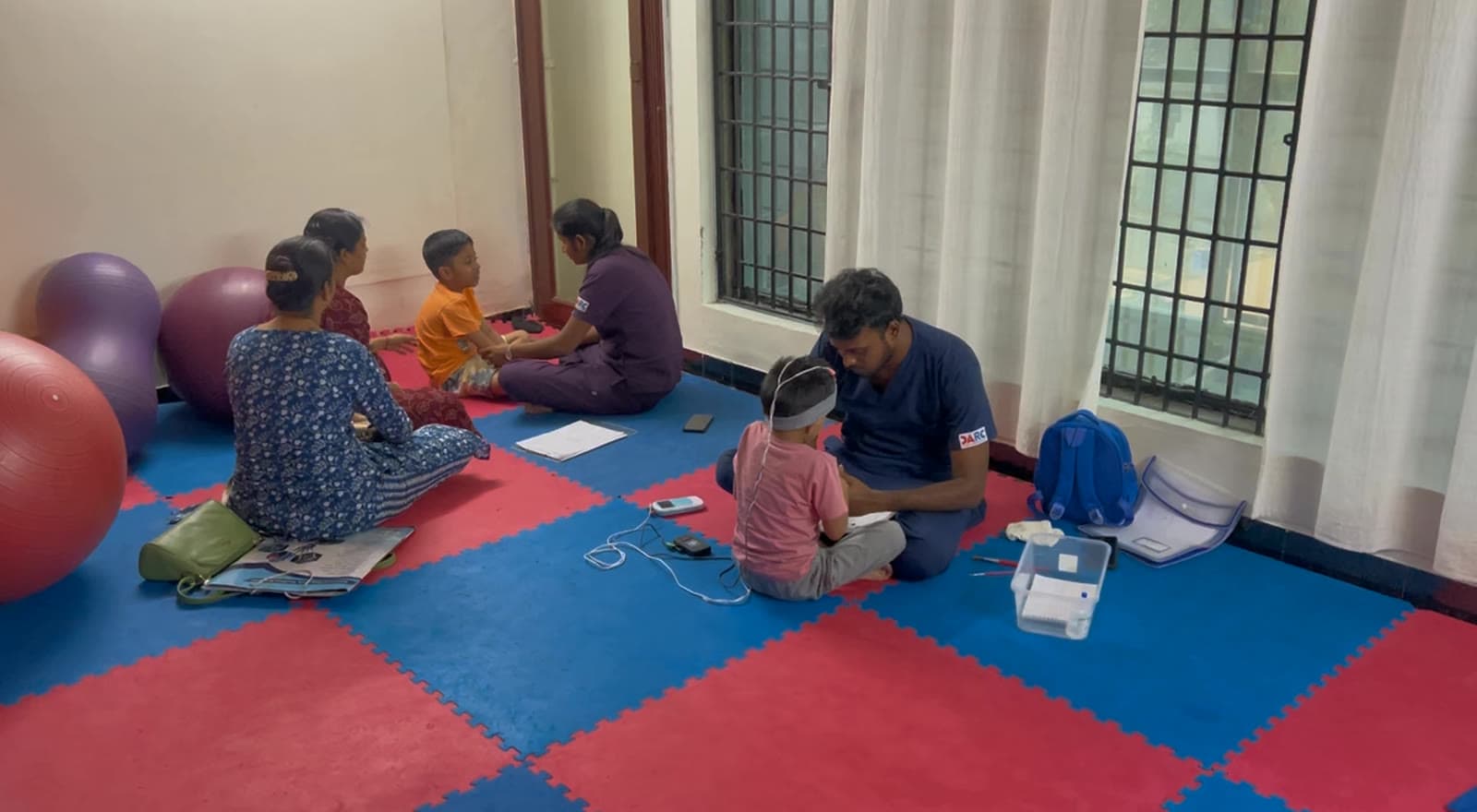
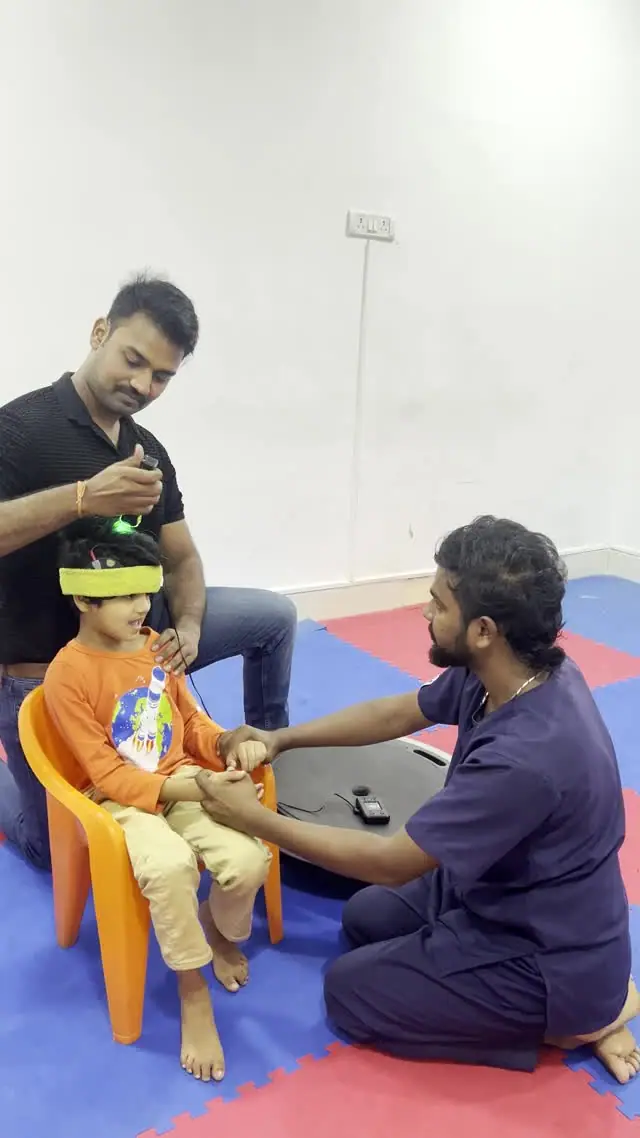
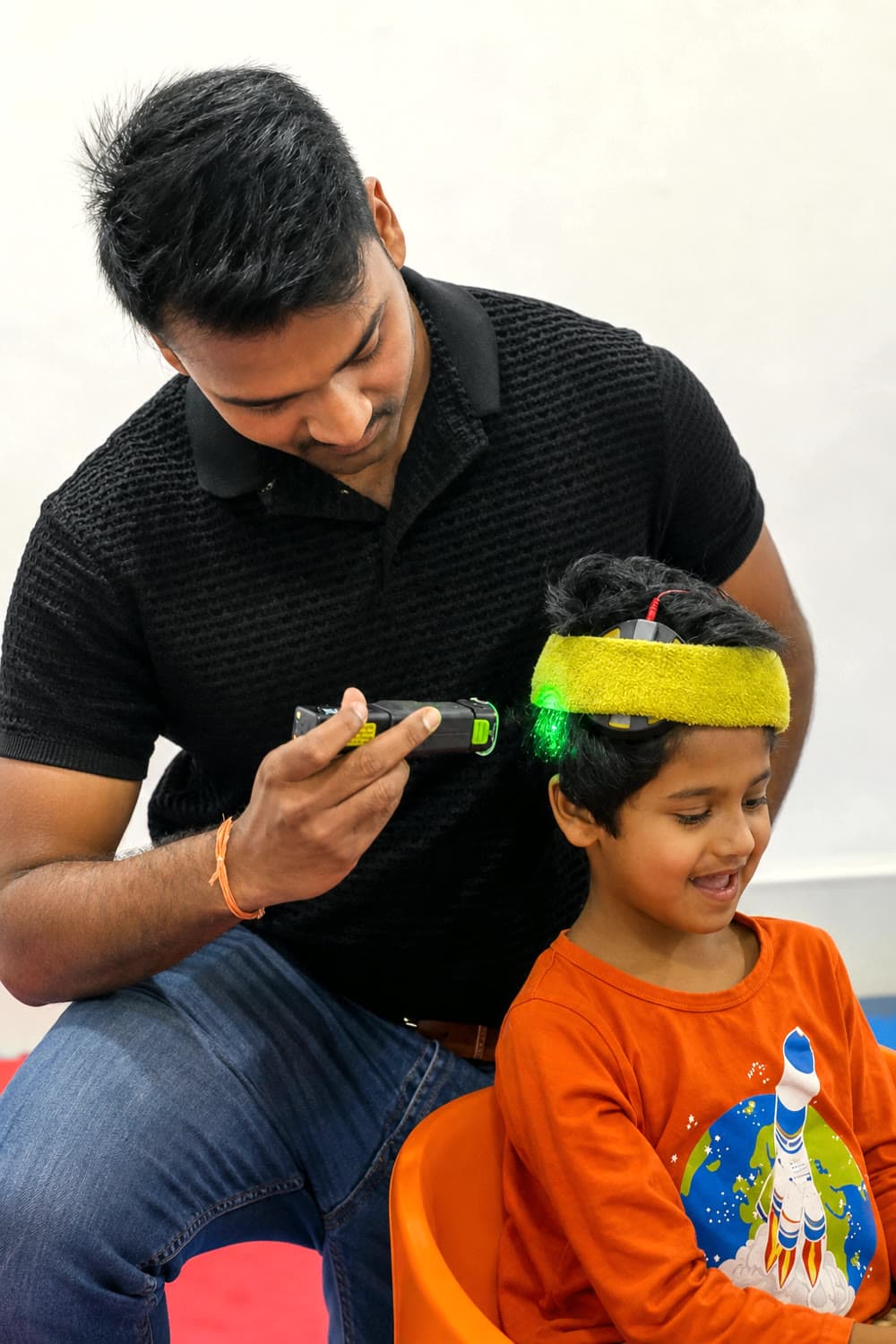
Sensory support begins with the child's individual pattern
Autistic children can respond very differently to sound, touch, movement, light, food textures and busy environments. DARC first looks at which sensory experiences interfere with comfort, communication, play, sleep, learning or family routines.
The goal is not to make a child tolerate every sensation. Therapy focuses on regulation, participation and practical adaptations that respect the child's communication and boundaries.
- Sensory triggers and preferences
- Recovery after overload
- Movement and body awareness
- Home and classroom routines